What’s your go-to kitchen hack for prolonging fresh herb life?

The Ever-Elusive Freshness of Herbs
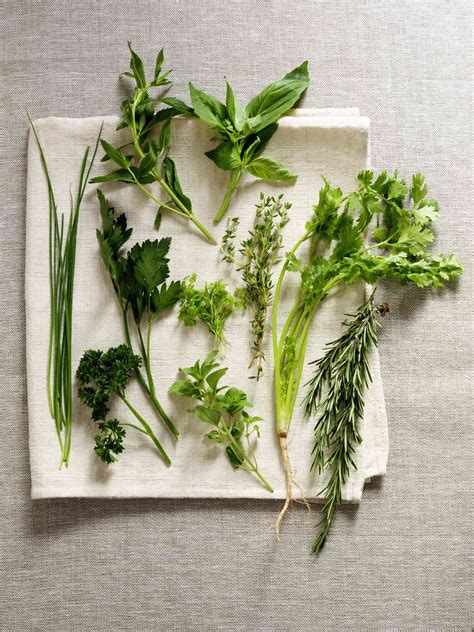
Fresh herbs are the vibrant soul of many dishes, adding unparalleled flavor and aroma. However, their delicate nature often means they wilt and spoil long before we’ve had a chance to use them all. The frustration of tossing half-used bunches of parsley or basil is a common lament in kitchens worldwide. But what if there were simple, effective ways to keep those aromatic greens fresh and flavorful for weeks, not just days?
The Classic “Bouquet” Method: Water & Bag
This hack is a favorite for good reason: it mimics how you’d treat a bouquet of flowers. It’s particularly effective for sturdy, leafy herbs like parsley, cilantro, basil, mint, and tarragon. The key is to treat them gently and provide continuous hydration.
How to do it:
- Trim the Stems: Just like flowers, snip about an inch off the bottom of the stems. Remove any leaves that would sit below the water line to prevent rot.
- Water Bath: Place the trimmed herbs upright in a glass jar, a vase, or even a small drinking glass filled with about an inch of fresh, cool water.
- Cover & Refrigerate: For most herbs (excluding basil, which prefers room temperature), lightly cover the entire setup with a plastic bag (a produce bag works perfectly) and place it in the refrigerator. The bag creates a mini-greenhouse effect, trapping humidity and preventing dehydration.
- Change Water: Replace the water every 1-2 days, or if it starts to look cloudy, to keep bacteria at bay.
Basil is an exception; it thrives at room temperature away from direct sunlight when stored this way. Avoid refrigerating basil unless absolutely necessary, as it can turn black and lose flavor.
The Damp Paper Towel Roll-Up: For Sturdier Herbs
This method works wonderfully for herbs with more delicate leaves or those prone to getting slimy in water, such as rosemary, thyme, dill, oregano, and chives. It’s also a space-saving alternative.
How to do it:
- Gentle Wash (Optional): If your herbs are particularly dirty, give them a quick, gentle rinse, but ensure they are thoroughly dry before proceeding. Excess moisture is the enemy here.
- Wrap Them Up: Lay the herbs in a single layer on a slightly damp (not soaking wet) paper towel. Roll them up snugly but not too tightly.
- Bag or Container: Place the wrapped bundle inside a resealable plastic bag or an airtight container.
- Refrigerate: Store in the crisper drawer of your refrigerator. Check the paper towel every few days; if it’s drying out, re-dampen it.

Beyond Fresh: Freezing for Long-Term Storage
Sometimes, even the best fresh storage methods aren’t enough, especially if you have a bumper crop or want to preserve herbs for months. Freezing is an excellent option for many herbs, particularly those you’ll be cooking with.
The Ice Cube Tray Method:
- Chop Finely: Wash and thoroughly dry your herbs, then chop them finely.
- Pack & Cover: Pack the chopped herbs into ice cube trays. You can fill them about two-thirds full.
- Add Liquid: Pour olive oil, melted butter, or even water over the herbs until they are just covered.
- Freeze Solid: Place the trays in the freezer until the cubes are solid.
- Transfer: Once frozen, pop the herb cubes out and transfer them to a freezer-safe bag or container. Label with the herb name and date.
When ready to use, simply drop a frozen cube directly into soups, stews, sauces, or sautéed dishes. This method works well for most herbs, including parsley, cilantro, dill, oregano, thyme, rosemary, and chives. For basil, blanching quickly before freezing helps preserve its color and flavor.

General Tips for Herb Longevity
- Don’t Wash Until Use: Unless necessary, avoid washing herbs until just before you’re ready to use them. Excess moisture encourages spoilage.
- Inspect Regularly: Remove any wilting, browning, or slimy leaves as soon as you spot them to prevent the spoilage from spreading.
- Optimal Placement: Know which herbs prefer the fridge (most) and which prefer room temperature (basil).
- Air Circulation: While covering is good for humidity, don’t seal them completely airtight unless freezing, as some air circulation can be beneficial for breathability.
Embrace Freshness, Reduce Waste
By adopting these simple yet powerful kitchen hacks, you can significantly extend the life of your fresh herbs. Not only will you enjoy vibrant, flavorful ingredients in your cooking for longer, but you’ll also reduce food waste, making your kitchen more efficient and sustainable. Experiment with these methods to find which works best for your favorite herbs and your culinary habits. Happy cooking!