What’s your go-to visual trick for finding hidden local food gems?
Unlocking Authentic Flavors: Your Visual Guide to Hidden Eateries
There’s an unparalleled thrill in discovering a local eatery so good, it feels like a secret only you and the locals share. Forget the gleaming, highly-advertised establishments; the real culinary magic often hides in plain sight, waiting for a keen eye to spot it. For many food adventurers, the key isn’t a map or a review site, but a finely tuned visual radar. So, what visual cues do you trust when hunting for those elusive, authentic bites?
Decoding the Visual Language of Deliciousness
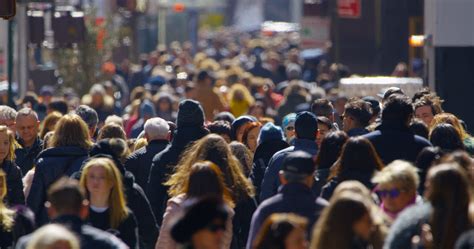
My number one visual trick is simple: look for the locals, especially older generations, and specifically observe their queues. If a modest storefront has a consistent line snaking out the door, filled with people who clearly live and work in the neighborhood, you’ve likely hit gold. Locals are the ultimate arbiters of quality and value; they won’t waste their time or money on anything less than fantastic.
Another powerful indicator is the ‘humble exterior, bustling interior’ rule. Often, the best spots aren’t trying to impress with flashy decor or a chic facade. Instead, they focus entirely on the food. Look for establishments that might seem unassuming, perhaps a bit worn, but inside, they’re vibrant with chatter, clinking plates, and the unmistakable aroma of delicious cooking. A lack of pretension often signals genuine culinary focus.
Specialization is a silent visual cue. Does the menu feature just a handful of items? Or is there one dish prominently displayed or being eaten by nearly everyone inside? This often means they’ve perfected a few things rather than offering a mediocre version of everything. Visualizing a short, focused menu can be a strong signal of quality and confidence in their craft.
The Little Details That Speak Volumes
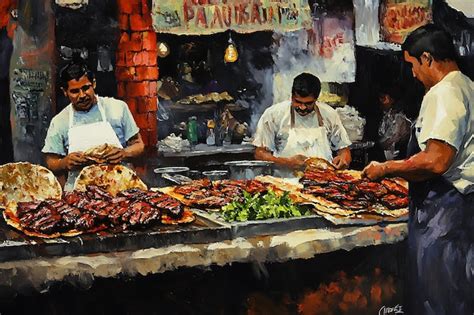
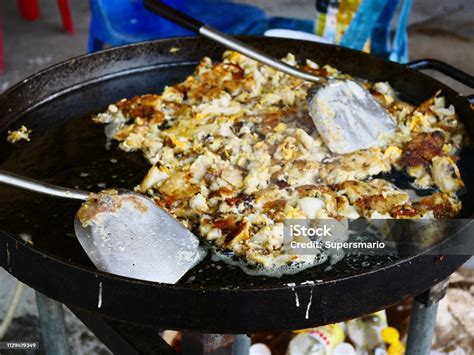
- The Open Kitchen or Visible Prep: If you can see into the kitchen or watch your food being prepared, it’s a huge plus. This transparency usually indicates confidence in their hygiene and cooking process. Seeing fresh ingredients being handled is an immediate green light.
- Handwritten Signs and Unique Decor: Generic, mass-produced signage can be a red flag. On the other hand, a hand-chalked daily special or quirky, locally-inspired decor often suggests a passionate, independent owner with a personal touch. These places often have a story, and their food usually tells one too.
- The Aroma Test (with a visual lead-in): While not strictly visual, a visually promising spot often leads to the most incredible aromas. If a place looks good, get closer and let your nose confirm the promise your eyes made.
Visual Red Flags to Avoid
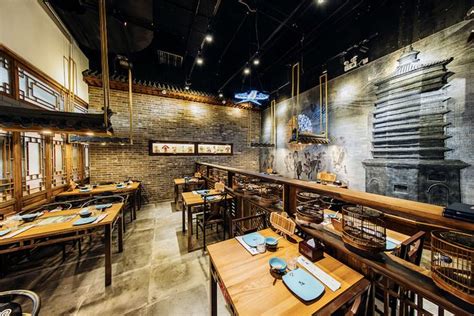
Conversely, there are visual cues that scream ‘tourist trap.’ An empty restaurant during peak meal times, overly glossy laminated menus with generic photos, or aggressive hawkers trying to pull you in are usually signs to keep walking. These places often prioritize turnover and profit over authentic culinary experience.
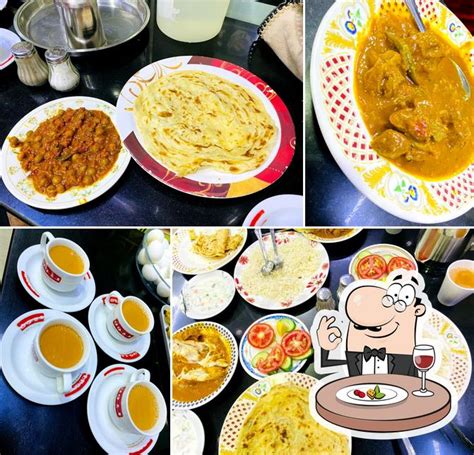
Ultimately, finding hidden food gems is an adventure that begins with your eyes. By learning to read the visual language of a neighborhood – from the queues of locals to the humble exteriors and specialized menus – you can unlock truly unforgettable dining experiences. So next time you’re exploring, trust your visual instincts; they might just lead you to your next favorite meal.