What’s your secret for finding authentic eats & getting drool-worthy food pics?

Beyond Tourist Traps: Unearthing True Local Flavors
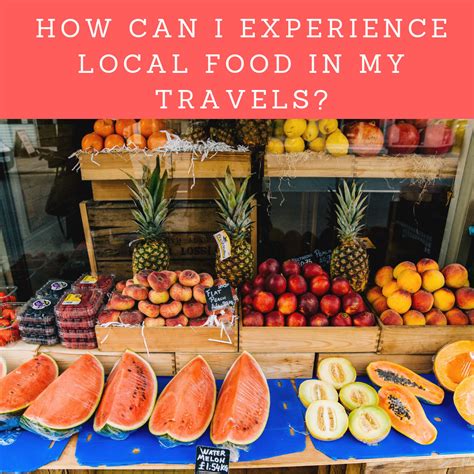
The quest for truly authentic local cuisine is an adventure in itself, often leading to hidden gems that tantalize the taste buds and enrich the travel experience. Forget the glossy menus and English-speaking hawkers in tourist squares; real culinary treasures lie where locals frequent. Start your research before you go: dive into food blogs written by residents, scour local online forums, and don’t be shy about asking hotel staff or even taxi drivers for their personal favorites. Often, the best advice comes from those who live and breathe the local food scene daily.
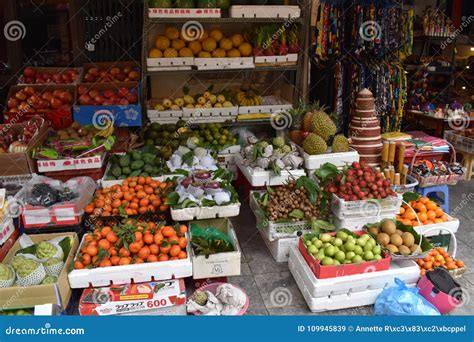
Look for bustling spots, especially those with queues predominantly of locals – this is a tell-tale sign of quality and authenticity. Observe what dishes are most popular and don’t hesitate to point and order, even if language is a barrier. Street food stalls, often overlooked by the wary traveler, can be goldmines for traditional flavors and fresh ingredients, prepared right before your eyes. Embrace the unfamiliar; some of the most memorable meals are those that push you slightly out of your comfort zone.
Capture the Crave: Elevating Your Food Photography
Once you’ve found that incredible dish, the next challenge is to capture its essence in a photograph that makes viewers almost taste it. Good food photography isn’t just about snapping a picture; it’s about storytelling and creating a visual feast that does justice to the culinary artistry.
Light is Your Best Friend
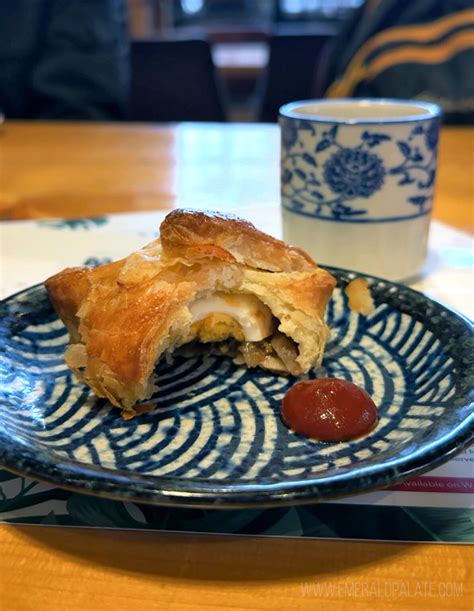
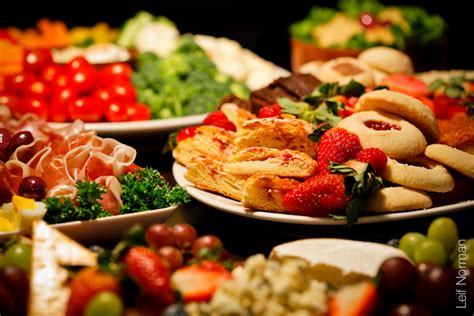
The single most important element in food photography is light. Always opt for natural light if possible. Seek out a table near a window or, if dining outdoors, find a spot with soft, diffused sunlight. Avoid harsh overhead lighting or, worse, your camera’s built-in flash, which can flatten the food and create unflattering shadows. Natural light enhances textures, colors, and brings out the food’s inviting glow.
Composition & Angles
Consider your composition. The “rule of thirds” can be a good starting point, placing your main subject off-center. Experiment with different angles. An overhead “flat lay” shot works wonderfully for dishes with multiple components or intricate patterns (like a tapas spread). A 45-degree angle often mimics how we naturally view a plate of food, giving a realistic perspective. For dishes with height, like a towering burger or a layered dessert, a straight-on shot can emphasize their grandeur. Don’t forget to get close and capture details – the glistening sauce, the perfect char, the sprinkle of herbs.
Styling & Props (Minimalist Approach)
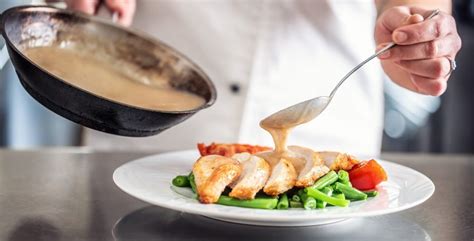
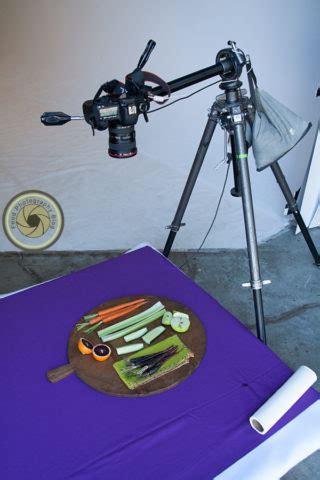
While professional food stylists use an array of tricks, for casual travel eats, less is often more. Keep your background clean and uncluttered, letting the food be the star. Use minimal props – a simple napkin, a rustic fork, or a small glass of water can add context without distracting. Ensure your plate is clean, and wipe away any spills or smudges before you shoot. Sometimes, the vibrant colors and textures of the food itself are all the styling you need.
From Plate to Post: The Full Experience
Remember that the ultimate goal is to enjoy the food. Get your shots quickly and efficiently so you can savor every bite while it’s fresh and hot. Don’t be afraid to engage with the chefs or vendors; a little curiosity can lead to fascinating stories and even special recommendations. Learning the local name of a dish or its ingredients can add a rich layer to your photo captions.
Finally, your food photos aren’t just pretty pictures; they’re memories and stories waiting to be told. Use them to recount your adventures, share the cultural context, and inspire others to embark on their own culinary journeys. The combination of discovery and creative capture truly elevates the ‘food adventure’ experience.