What’s your secret for vibrant, colorful plating that wows foodies?

The Art of the First Impression: Why Plating Matters
In the culinary world, taste is paramount, but the visual appeal of a dish is what first captivates the diner. Before a single fork touches the food, our eyes feast, anticipating the flavors to come. Vibrant, colorful plating isn’t just about making food pretty; it’s about telling a story, stimulating appetite, and elevating the entire dining experience from a meal to a memorable event. So, what are the secrets behind those Instagram-worthy dishes that consistently wow foodies?
Mastering the Palette: Color and Contrast
The first step to vibrant plating lies in understanding color. Think of your plate as a canvas and your ingredients as paint. Aim for a spectrum of colors naturally present in fresh produce: the deep reds of bell peppers, the bright greens of herbs, the sunny yellows of corn, or the earthy purples of beets. Contrast is key; pair vibrant hues with more neutral tones to make the bright colors pop. For instance, a ruby-red beet puree will stand out beautifully against a creamy white goat cheese or a pale green avocado mousse. Don’t be afraid to experiment with complementary colors to create dynamic visual interest.

Texture and Dimension: Building Height and Interest
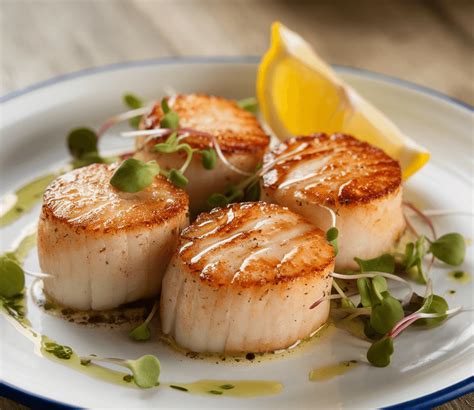
A flat plate is often a boring plate. To create dimension, incorporate varying textures and heights. Think about layering components: a crunchy crouton atop a smooth soup, delicate microgreens crowning a robust protein, or a rich sauce drizzled around a precisely cut vegetable. Use different cooking methods for the same ingredient to introduce textural variety – a crisp sear on a scallop balanced by a silky pea puree. Strive for controlled chaos; every element should have a purpose and contribute to the overall visual balance, inviting the eye to explore the dish from different angles.
Precision and Purposeful Placement: The Rules of Composition
Less is often more when it comes to elegant plating. Give your components room to breathe by utilizing negative space, allowing each element to shine without overcrowding the plate. Many chefs adhere to the “rule of odds,” arranging ingredients in odd numbers (three or five) as this tends to be more aesthetically pleasing and natural to the eye. Consider using a focal point – the star of your dish – and arranging supporting elements around it, guiding the diner’s gaze. A classic technique is the “clock face” method, where protein is at 6 o’clock, starch at 10 o’clock, and vegetables at 2 o’clock, but don’t be afraid to break free from tradition once you understand the fundamentals.

The Art of Garnishing: The Finishing Touches
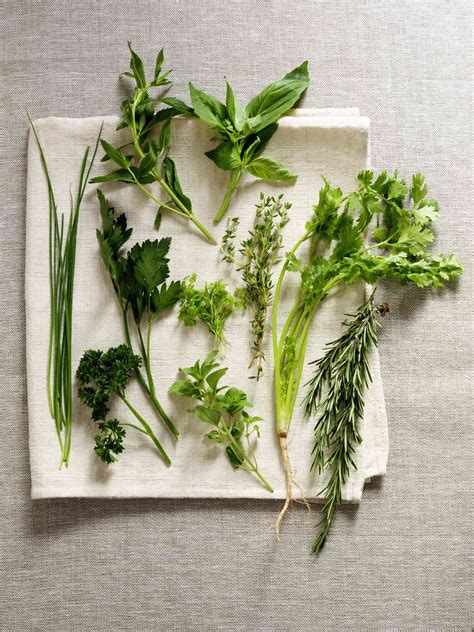
Garnishes are not mere afterthoughts; they are critical components that add the final flourish of color, texture, and flavor. Fresh herbs like dill, parsley, or cilantro, vibrant edible flowers, or delicate microgreens can provide a burst of color and a touch of sophistication. Sauces, applied with intention – a swoosh, a series of dots, or a controlled drizzle – can add a painterly effect. A fine dusting of paprika, a sprinkle of toasted nuts, or a zest of citrus can introduce contrasting colors and textures, tying the entire dish together and making it truly pop.
Tools of the Trade: Equipping Your Plating Arsenal
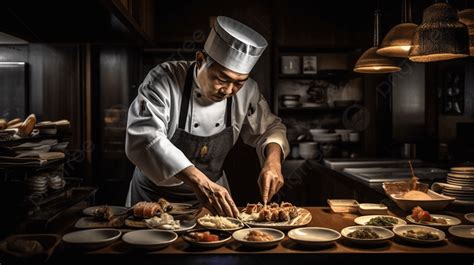
While creativity is paramount, the right tools can make a significant difference. Squeeze bottles are invaluable for precise sauce application, allowing for fine lines and perfect dots. Plating tweezers offer delicate control for placing microgreens, herbs, or small components exactly where you want them. A clean, damp cloth is essential for wiping any drips or smudges from the rim of the plate, ensuring a pristine presentation. Investing in diverse plateware – from rustic stoneware to sleek porcelain – can also inspire different plating approaches and enhance the visual impact of your creations.
Beyond the Plate: The Secret Ingredient
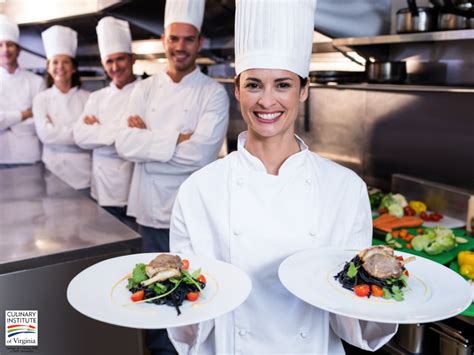
Ultimately, the true secret to vibrant, colorful plating that wows foodies isn’t just about specific techniques; it’s about passion, attention to detail, and a willingness to experiment. Every ingredient, every stroke of a spoon, every placement decision contributes to the final masterpiece. Practice regularly, seek inspiration from various cuisines, and most importantly, plate with intention and joy. When you pour your creativity into the visual aspect of your cooking, the results will not only taste incredible but look utterly unforgettable.