Which fresh, seasonal ingredients make any recipe visually pop for a foodie feed?
In the bustling world of food blogging and social media, a dish isn’t just about how it tastes; it’s about how it looks. A visually stunning recipe can stop scrolls, inspire replication, and garner significant engagement on your foodie feed. The secret weapon? Fresh, seasonal ingredients that burst with natural color, texture, and life.
Why Seasonal Ingredients Are Your Visual Best Friend
Seasonal produce is harvested at its peak, meaning it boasts the most intense colors, vibrant hues, and robust flavors. Out-of-season produce often looks duller, tastes bland, and lacks the inherent vitality that makes a dish truly sing on camera. Opting for what’s in season ensures your ingredients are at their photographic prime.
The Color Palette: Brightly Hued Fruits & Vegetables
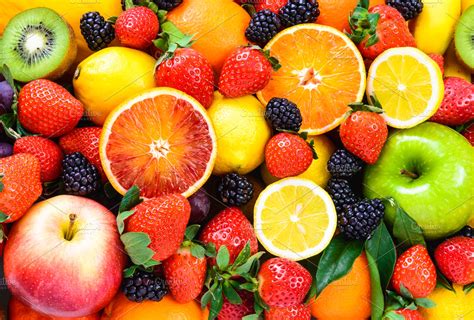
Nothing brings a plate to life like a riot of natural color. Think beyond just the main components and consider how these can be used as garnishes or complementary elements:
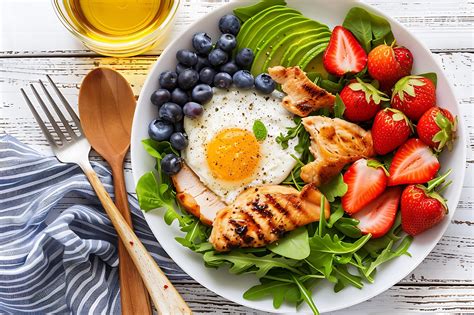
- Berries: Strawberries, raspberries, blueberries, and blackberries offer deep reds, purples, and blues that contrast beautifully with lighter dishes.
- Citrus: Thin slices or zest of lemons, limes, and oranges provide brilliant yellow, green, and orange accents, adding brightness and a sense of freshness.
- Peppers: Bell peppers in red, yellow, and orange, or even a thinly sliced red chili for a fiery pop, are instantly eye-catching.
- Heirloom Tomatoes: These come in a spectrum of reds, yellows, greens, and even striped patterns, making them incredibly photogenic when sliced or halved.
- Root Vegetables: Roasted beets offer a stunning magenta, while colorful carrots (purple, yellow, orange) add earthy vibrancy.
The Green Touch: Fresh Herbs & Microgreens
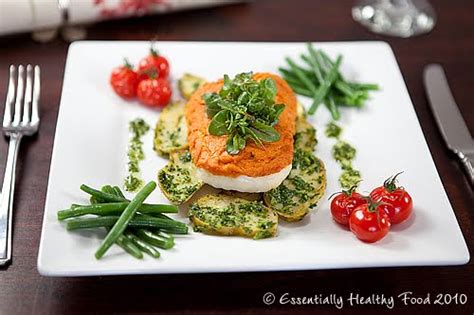
A sprinkle of fresh green can transform a dish from good to gourmet. Herbs not only add aroma and flavor but also provide vital contrast and texture.
- Parsley, Cilantro, Mint, Basil, Dill, Chives: A few strategically placed sprigs or a generous scattering of finely chopped herbs instantly elevate a dish with freshness and a pop of verdant green.
- Microgreens & Sprouts: These delicate, vibrant greens add height, intricate texture, and a gourmet touch, making any plate look professionally styled.
Unexpected Elegance: Edible Flowers
For an undeniable “wow” factor, edible flowers are a game-changer. They introduce delicate beauty and an unexpected splash of color.
- Pansies, Violas, Nasturtiums: These offer a range of colors from purples and yellows to fiery oranges, perfect for salads, desserts, or even drinks.
- Borage, Lavender: Their unique hues and shapes can add a touch of sophistication.
Textural Interest: Nuts, Seeds & Grains
Visual appeal isn’t just about color; texture plays a crucial role. Adding elements with distinct textures creates depth and intrigue.
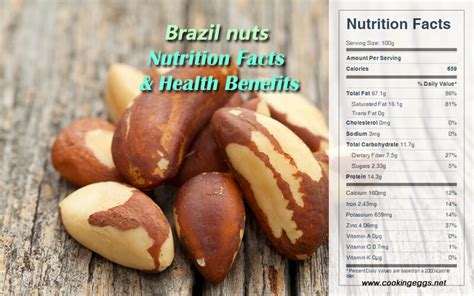
- Toasted Nuts: Sliced almonds, chopped pecans, or whole walnuts add crunch, a rich brown hue, and visual interest.
- Seeds: Black and white sesame seeds, pumpkin seeds, or chia seeds sprinkled over a dish can create a beautiful pattern and provide subtle crunch.
- Pomegranate Arils: These jewel-like seeds burst with color and juice, adding both texture and a sweet-tart pop.
The Finishing Touches: Drizzles & Dollops
Sometimes, it’s the final flourish that makes all the difference.
- Quality Oils & Glazes: A glossy drizzle of extra virgin olive oil, a swirl of balsamic glaze, or a dot of chili oil can add sheen and define areas of the plate.
- Flaky Sea Salt & Cracked Pepper: A sprinkle of these adds visual texture and emphasizes freshness.
- Creamy Elements: A dollop of crème fraîche, Greek yogurt, or a crumbling of feta or goat cheese provides a creamy, often contrasting, texture and color.
Tips for Maximizing Visual Impact
Beyond choosing the right ingredients, consider these pointers:
- Contrast is Key: Pair bright ingredients with darker ones, or smooth textures with crunchy ones, to create visual interest.
- Think in Odd Numbers: When plating multiple items, arrange them in odd numbers (e.g., three berries, five tomato halves) as it often looks more natural and appealing.
- Garnish with Purpose: Every garnish should add to the dish, both visually and often in flavor, not just be an afterthought.
- Use Natural Light: Always photograph your dishes in bright, diffused natural light to make those vibrant colors truly shine.
Conclusion
Transforming your recipes into share-worthy visual masterpieces is an art, and fresh, seasonal ingredients are your most powerful brushes. By thoughtfully incorporating a spectrum of colors, diverse textures, and unexpected garnishes, you can ensure every dish you create not only tastes incredible but also captures the hearts (and likes) of your foodie audience.