Which Visual Bite elements compel real foodies to click through for recipes?

In the bustling digital landscape of culinary content, where countless recipes vie for attention, merely having a delicious dish isn’t enough. To truly capture the gaze and taste buds of a genuine foodie, your visual presentation — often referred to as a “Visual Bite” — must be utterly compelling. But what exactly are those magnetic elements that transform a casual scroll into an eager click-through for the full recipe? It boils down to a strategic blend of photography, styling, and storytelling that ignites desire and promises a delightful culinary journey.
The Power of Professional Photography
The foundation of any successful Visual Bite is impeccable photography. High-quality images aren’t just aesthetically pleasing; they communicate professionalism, care, and the inherent deliciousness of the food. Sharp focus, accurate colors, and thoughtful depth of field are non-negotiable. Blurry, poorly lit, or unappealingly composed photos are instant turn-offs for discerning food enthusiasts who expect a feast for the eyes before they commit to a recipe.
Lighting That Sells
Natural light is often the secret ingredient for food photography. It brings out the food’s true colors, textures, and sheen, making it look fresh and inviting. Harsh shadows or artificial yellow casts can instantly diminish appetite appeal. Foodies are drawn to images where the food appears vibrant and realistic, as if it’s sitting right in front of them, ready to be enjoyed.

Composition and Framing
How the dish is arranged within the frame can drastically alter its impact. The rule of thirds, leading lines, and negative space all play a role in guiding the viewer’s eye and creating a sense of balance and intrigue. A close-up shot might highlight intricate details, while a wider shot could showcase the entire spread or preparation process, adding context and grandeur.
Irresistible Food Styling Techniques
Beyond the lens, what’s on the plate — and how it’s arranged — is equally critical. Food styling is the art of making food look its absolute best, emphasizing its inherent qualities and making it appear mouth-wateringly delicious.
Emphasizing Texture and Freshness
Foodies eat with their eyes first, and texture is a huge part of that. Crispy edges, gooey centers, fluffy peaks, or glistening sauces all convey a sensory experience. Ingredients should look fresh and vibrant; wilting greens or dull colors are immediate red flags. Highlighting these textures through styling and lighting makes the dish feel tangible and appealing.
The Role of Garnishes and Props
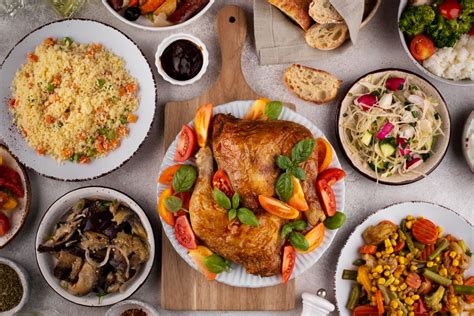
Strategic garnishes, like a sprinkle of fresh herbs, a zest of citrus, or a drizzle of olive oil, can elevate a dish from good to gourmet. Similarly, carefully chosen props – rustic wooden boards, elegant cutlery, a linen napkin, or a ceramic bowl – can set the mood and provide scale without overshadowing the star of the show: the food itself. These elements add a layer of sophistication and tell a subtle story about the meal.
Storytelling Through Visuals
A Visual Bite isn’t just about showing food; it’s about telling a story that resonates with a foodie’s passion. It should evoke emotions, memories, or aspirations.
Setting the Scene: Props and Backgrounds
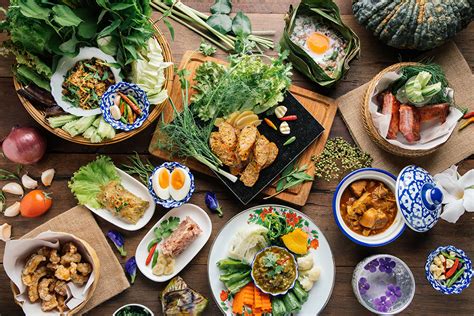
The background and surrounding elements contribute significantly to the overall narrative. Is it a cozy homemade meal, an elegant dinner party, or a quick, healthy snack? A clean, minimalist background can make the food pop, while a thoughtfully cluttered scene can create a sense of warmth and lived-in authenticity.
Authenticity and Relatability
While professional styling is key, an overly perfect or artificial look can sometimes deter. Foodies appreciate authenticity. Images that suggest the food is attainable, delicious, and made with love – perhaps a slightly messy but charming shot of a pie with a slice missing, or hands reaching for a piece of bread – can foster a stronger connection and make the recipe feel more approachable and enjoyable.
The Promise of Delight and Ease
Ultimately, a compelling Visual Bite promises a delightful experience. The image should make the viewer believe that they, too, can recreate this deliciousness in their own kitchen. The visual should be clean, clear, and focused on the edible elements, minimizing distractions that might dilute the main message: “This looks amazing, and you can make it!”
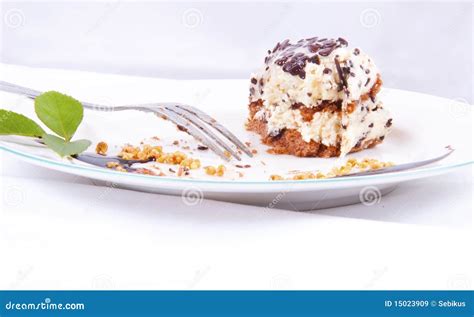
A strong visual cue, like steam rising from a hot dish or a perfectly melted cheese pull, can create an immediate, visceral reaction, drawing the viewer in and making them eager to learn how to achieve that very outcome. It’s about tapping into sensory desires and offering a solution – the recipe – to fulfill them.
Conclusion: The Art of the Irresistible Click
To compel real foodies to click through for recipes, Visual Bites must be meticulously crafted. They require a blend of expert photography that highlights the food’s best attributes, strategic styling that emphasizes freshness and texture, and a storytelling approach that connects emotionally with the audience. By mastering these elements, content creators can transform passive scrolling into active engagement, turning a simple image into an irresistible invitation to explore the culinary journey further.