Which Visual Bite elements instantly grab foodie attention and prompt recipe action?

In the digital age, food isn’t just about taste; it’s a visual spectacle. A single image or short video clip, often referred to as a “visual bite,” can be the sole determinant of whether a recipe is scrolled past or meticulously saved and attempted. But what exactly are those magical elements that make food content irresistible, instantly grabbing foodie attention and sparking a desire to get cooking?
The Power of Color and Vibrancy
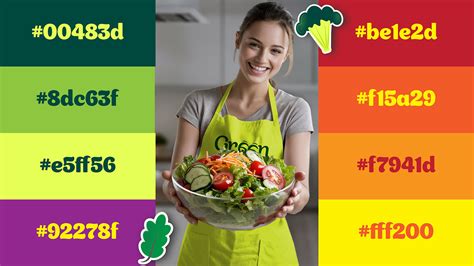
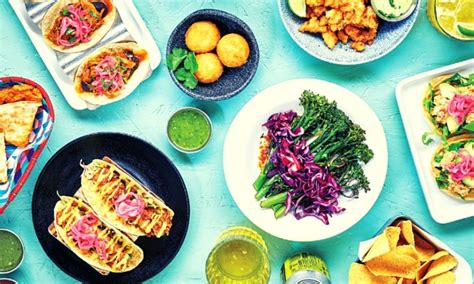
Humans are inherently drawn to vibrant colors, especially when it comes to food. Bright, natural hues signal freshness, flavor, and health. Think of the rich red of ripe tomatoes, the verdant green of fresh herbs, or the golden-brown crust of a perfectly baked pie. Over-processed or muted colors can make food appear unappetizing. A visually striking color palette makes the dish pop and stands out in a crowded feed.
Texture and Detail That Speak Volumes
Beyond color, texture is paramount. Foodies want to feel the dish through the screen. Crispy edges, gooey melted cheese, fluffy whipped cream, the glistening sheen of a sauce, or the delicate crumble of pastry – these details create a sensory experience. High-resolution images that allow viewers to zoom in and appreciate these intricate textures are far more engaging. Macro shots can highlight the fine details that make a dish truly unique and appealing.
Strategic Plating and Composition
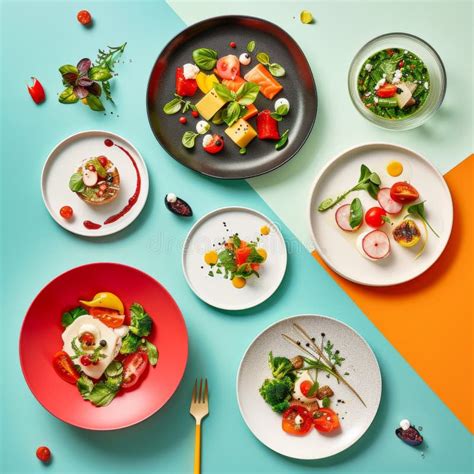
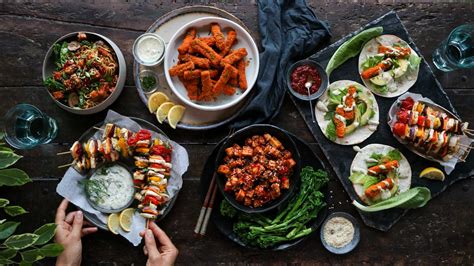
Presentation is key. How food is arranged on a plate (or in a bowl, on a board, etc.) dramatically impacts its appeal. Mastering composition techniques like the rule of thirds, leading lines, and negative space can transform a simple dish into a work of art. Thoughtful plating, where each ingredient plays a role in the overall aesthetic, suggests care and expertise, making the recipe seem more achievable and rewarding.
Lighting: The Unsung Hero of Food Photography
Good lighting can make or break a food photo. Natural, soft light (often from a window) is usually preferred as it enhances colors, highlights textures, and creates inviting shadows without being harsh. Overly bright, direct flash or poor artificial lighting can flatten a dish, cast unflattering shadows, or alter its true colors. The right lighting makes food look fresh, appealing, and, most importantly, edible.
Props, Background, and Storytelling
The elements surrounding the food are just as important as the food itself. Carefully selected props (cutlery, napkins, rustic boards, fresh ingredients) and a relevant background can set the scene, add context, and tell a story about the dish. A minimalistic background might highlight the food, while a styled scene might evoke a cozy brunch or a festive dinner. These elements add atmosphere and help viewers imagine themselves enjoying the meal.
The Irresistible “Action Shot”
A static image can be beautiful, but an “action shot” takes engagement to another level. Think of a fork pulling apart a cheesy pasta, a spoonful of sauce drizzling over a dish, steam rising from a hot beverage, or a freshly baked cookie being broken in half to reveal a gooey center. These dynamic visuals create anticipation and make the food feel alive and immediately accessible, compelling viewers to try the recipe right away.
Evoking Emotion and Craving
Ultimately, the most effective visual bites evoke emotion. They don’t just show food; they ignite a craving, spark nostalgia, or inspire comfort. When all the elements — color, texture, plating, lighting, and context — come together harmoniously, they create an emotional connection with the viewer. This connection is what truly prompts the “I need to make this now!” response, driving recipe action and engagement.
Mastering these visual elements transforms a simple food photograph into a powerful call to action. By focusing on vibrant colors, compelling textures, thoughtful composition, optimal lighting, contextual storytelling, and dynamic action, creators can ensure their visual bites not only grab attention but also inspire countless delicious creations in kitchens everywhere.