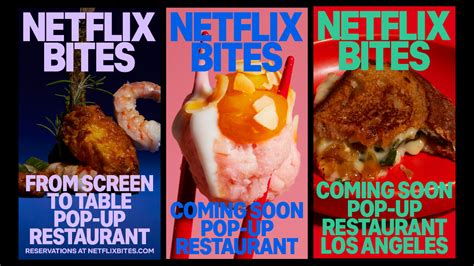
Which Visual Bite elements instantly hook foodies to click a recipe?

The Irresistible Allure of a Perfect Visual Bite
In the digital age, a recipe’s first impression is almost entirely visual. Foodies scrolling through feeds are making split-second decisions based on a single image – the ‘visual bite.’ It’s a powerful, non-verbal promise of flavor, experience, and satisfaction. But what precisely are the elements within these visual bites that compel someone to stop, drool, and ultimately, click through to discover the recipe?
It boils down to a strategic blend of art and psychology, designed to trigger appetite and curiosity. Mastering these elements can transform a mere photo into an irresistible invitation to cook.
Mastering Composition and Styling
The foundation of any compelling visual bite lies in its composition and styling. This isn’t just about placing food on a plate; it’s about storytelling. An inviting composition utilizes the rule of thirds, leading lines, and negative space to create balance and draw the eye to the hero of the dish. Props, such as rustic cutting boards, elegant cutlery, or fresh herbs, should complement the food without overpowering it, adding context and a touch of realism.
The angle of the shot also plays a crucial role. A flat lay might highlight multiple components and textures, while a close-up at eye level can emphasize the dish’s depth and sauciness. Strategic styling ensures that every element serves to enhance the food’s appeal, making it look not just edible, but truly delectable.
The Magic of Light
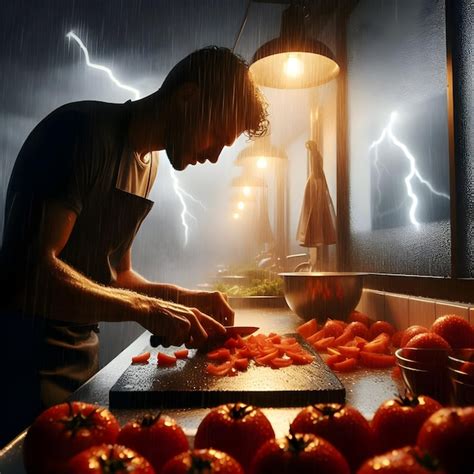
Perhaps the most critical element in food photography is light. Natural, soft light often yields the most appealing results, highlighting textures and creating inviting shadows that add depth without obscuring detail. Side or backlighting can make food glow, emphasizing its freshness and bringing out subtle details like steam rising from a warm dish or the glistening surface of a glaze.
Harsh, direct light can flatten the image and create undesirable reflections, while poor lighting leaves food looking dull and unappetizing. The right lighting transforms a simple dish into a work of art, making it appear vibrant, fresh, and utterly desirable.
Vibrant Colors and Enticing Textures
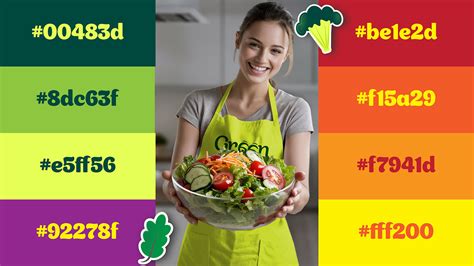
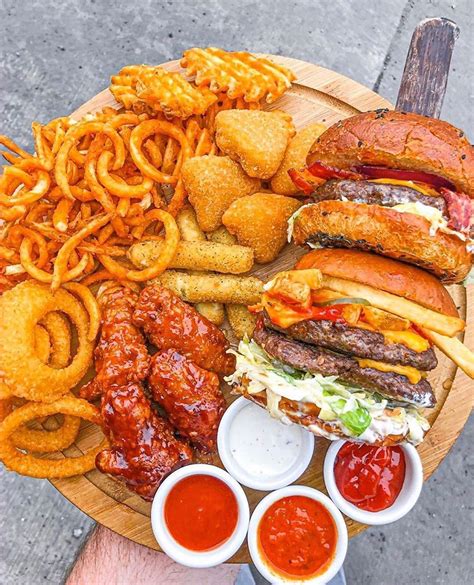
Humans are inherently drawn to color, and food is no exception. A visual bite with a vibrant, appealing color palette – crisp greens, rich reds, golden browns – instantly signals freshness and flavor. Think of the contrast between a bright cherry tomato and creamy mozzarella, or the deep char on a perfectly grilled piece of meat. These colors are not just pretty; they communicate nutrition and taste.
Equally important are textures. A photograph that successfully conveys crunchiness, gooeyness, flakiness, or creaminess is incredibly powerful. Showing a slight crack in a bread crust, a drizzle of sauce, or the oozing center of a molten chocolate cake adds an undeniable sensory dimension, making the viewer almost taste the food before they’ve even clicked.
The Hero Shot: Focus on the “Money Element”
Every dish has its star, its most appealing feature. A compelling visual bite zeroes in on this ‘money element.’ Whether it’s the perfect swirl of frosting, the golden-brown crust of a pie, or the succulent juiciness of a cut steak, the hero shot ensures that the most delicious aspect of the dish is immediately apparent and irresistible. Sometimes, this involves an ‘action shot’ – a sprinkle of salt, a pour of syrup, or a spoonful being lifted – to add dynamism and a sense of immediacy.
Evoking Emotion and Story
Beyond technical perfection, the most successful visual bites evoke emotion. They tell a story: comfort on a cold day, the joy of sharing, the freshness of a summer meal, or the indulgence of a special treat. This emotional connection is often subtle, conveyed through the styling, the props, and even the implied setting. A visual bite that makes a foodie feel warm, nostalgic, or excited is far more likely to generate a click than one that simply displays food.
Simplicity and Clarity
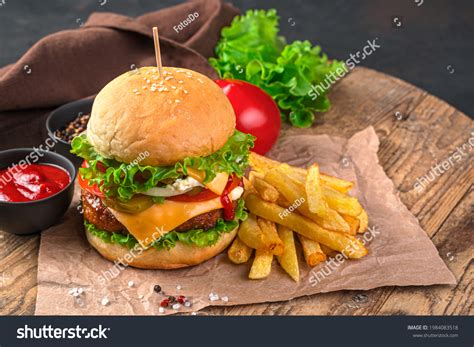
While styling and props add character, simplicity often reigns supreme. A cluttered image can be overwhelming and distracting. The most effective visual bites maintain a clear focus, allowing the food to be the undisputed star. Viewers should instantly understand what the dish is and why it looks delicious, without having to decipher a busy background.
Clarity also refers to the sharpness and focus of the image itself. A crisp, well-focused photograph allows the details of the food to shine, enhancing its perceived quality and inviting closer inspection.

Conclusion: The Art of the Instant Hook
Ultimately, hooking a foodie to click a recipe is an art form that combines technical skill with an understanding of human desire. By meticulously crafting visual bites that boast impeccable lighting, vibrant colors, alluring textures, compelling composition, and a clear focus on the dish’s most mouth-watering attributes, content creators can transform passive scrolling into active engagement. It’s about promising a delicious experience with a single glance, turning hungry eyes into eager clicks and, hopefully, happy cooks.