Which Visual Bite elements most effectively convert foodie viewers into recipe explorers?
The Power of First Impressions: Hooking Foodies with Visual Bites
In the fast-paced world of digital content, visual bites — those tantalizing short videos and images of food — have become a primary source of culinary inspiration. For content creators and brands, the ultimate goal isn’t just to garner likes or views, but to convert passive foodie viewers into active recipe explorers. What specific visual and structural elements are most effective in making this leap?
![[100+] Vibrant Backgrounds | Wallpapers.com](/images/aHR0cHM6Ly90czIubW0uYmluZy5uZXQvdGg/aWQ9T0lQLjhJUnc2NVhtV2NqczdjbTB3RWRmWGdIYUU4JnBpZD0xNS4x.webp)
Captivating Visuals: The Feast for the Eyes
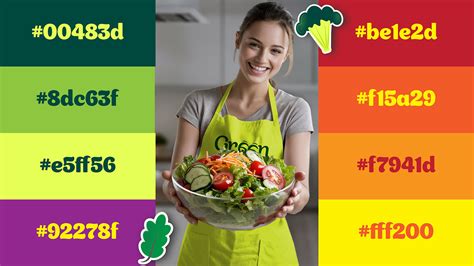
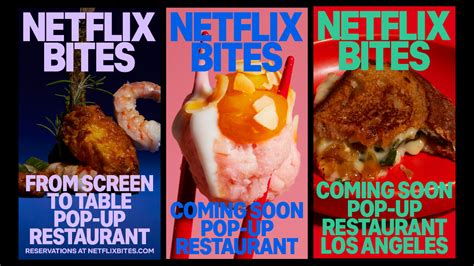
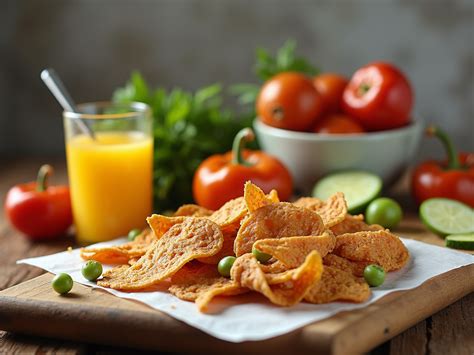
The immediate impact of a visual bite lies in its aesthetic appeal. High-quality, well-lit footage showcasing vibrant colors and appealing textures is non-negotiable. Viewers are drawn to food that looks delicious and achievable. Key visual elements include:
- Close-ups and Macro Shots: Highlighting glistening sauces, crisp edges, or bubbling cheese creates an irresistible sensory experience, making the viewer almost taste the dish.
- Dynamic Action Shots: Sizzling pans, drizzling syrup, or perfectly chopped ingredients add movement and excitement, suggesting the ease and enjoyment of the cooking process.
- Aesthetic Plating: Even in a short clip, presenting the final dish beautifully elevates its perceived value and desirability.
Clarity and Simplicity: Making Recipes Approachable
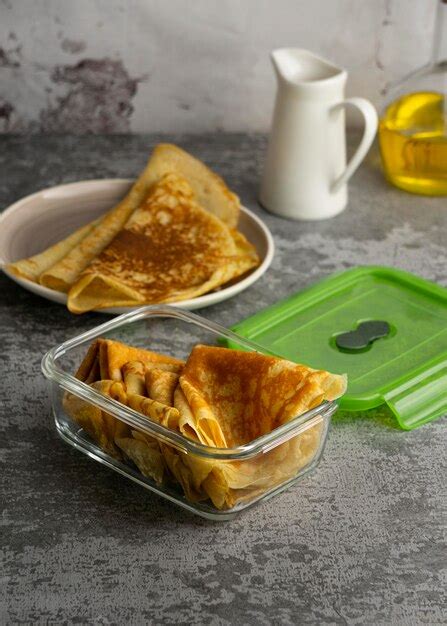
Beyond beauty, clarity is paramount. A visual bite that overloads the viewer with information or complex steps can deter them. The most effective converters distill the essence of a recipe into easily digestible segments:
- Concise Step-by-Step Visuals: Showing key transformations (e.g., ingredients combined, dough rising, final bake) without unnecessary filler makes the process seem less intimidating.
- Minimalist Text Overlays: Short, punchy ingredient lists or critical instructions appearing on screen at the right moment can guide the viewer without being distracting.
- Smooth Transitions: A seamless flow between stages helps viewers mentally connect the dots and envision themselves making the dish.
The Power of the Call to Action (CTA)
Even the most stunning and clear visual bite needs a nudge to convert explorers. A strong, clear call to action is crucial, whether explicit or implicit:
- Direct CTAs: Phrases like “Link in bio for full recipe,” “Tap here to explore,” or “Get the recipe below!” clearly tell the viewer what to do next.
- Implied CTAs: Ending with a tantalizing shot of the finished dish and a question like “Ready to try it?” can also prompt engagement.
- Easy Accessibility: The pathway to the full recipe must be frictionless. If viewers have to search too hard, they’ll likely drop off.

Building Trust and Relatability
Finally, viewers are more likely to explore recipes from sources they trust and relate to. Authenticity in presentation, realistic ingredient lists, and showing the occasional “real-life” cooking moment (without sacrificing quality) can build a stronger connection. When viewers feel that a recipe is achievable for them, they are far more likely to take the next step from passive viewing to active recipe exploration.
Conclusion: Crafting the Irresistible Invitation
Converting foodie viewers into recipe explorers hinges on a blend of sensory appeal, instructional clarity, and a clear path forward. By focusing on vibrant, dynamic visuals, simplifying complex processes, and guiding viewers with effective calls to action, creators can transform fleeting attention into genuine culinary engagement and inspire countless new kitchen adventures.