Which ‘Visual Bite’ format best drives Real Foodies to full recipes?
Capturing the Culinary Imagination: From Visual Bites to Full Recipes
In the bustling digital culinary landscape, capturing and retaining the attention of ‘Real Foodies’ is both an art and a science. These aren’t just casual eaters; they are enthusiasts driven by passion, curiosity, and a desire for authentic, detailed culinary experiences. The challenge for content creators and food bloggers lies in effectively leveraging ‘Visual Bites’ – short, engaging pieces of visual content – to not only stop the scroll but also to compel these discerning individuals to dive deeper into full, elaborate recipes.
The goal isn’t merely to entertain but to convert passive viewers into active recipe followers. So, what visual format proves most potent in bridging this gap, transforming a fleeting glimpse into a dedicated cooking session?

Deconstructing the ‘Visual Bite’ for Food Enthusiasts
A ‘Visual Bite’ is any piece of short-form, highly engaging visual content designed for quick consumption. For the food industry, this typically means tantalizing images, quick video snippets, or interactive graphics shared across platforms like Instagram, TikTok, Pinterest, and Facebook. Their primary purpose is to deliver an immediate sensory appeal, sparking interest without overwhelming the viewer with too much information upfront.
However, not all visual bites are created equal when it comes to driving action. Different formats possess unique strengths and weaknesses in their ability to pique curiosity and provide a clear pathway to a full recipe.
The Contenders: Visual Bite Formats and Their Conversion Power
1. Short-Form Video (Reels, TikTok, Shorts)
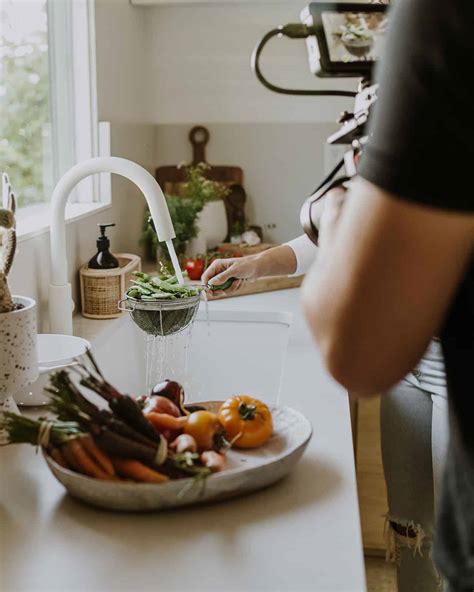
Impact: Highly engaging and dynamic, short videos can showcase a dish from start to finish in a condensed, captivating manner. They offer an an immersive experience, demonstrating technique, texture, and the sheer joy of cooking.
Why it converts: Real Foodies appreciate seeing the process. A quick video demonstrating a key step or the final plating can build trust and make a complex recipe seem achievable. The visual storytelling aspect creates a strong emotional connection, driving a desire to recreate the dish.
2. Image Carousels (Instagram Multi-Image Posts)
Impact: Carousels allow for a sequential narrative, offering a mini step-by-step guide or showcasing different angles and ingredients of a dish. Each slide builds on the last, providing a richer experience than a single static image.
Why it converts: For foodies who like a glimpse of the method, carousels are excellent. They provide just enough information to hint at the complexity or simplicity of a recipe, encouraging users to swipe through and then click for the full details once their curiosity is sufficiently piqued.
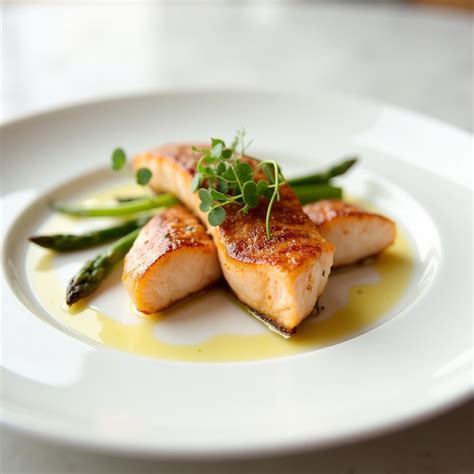
3. High-Quality Static Images (Single Post, Pinterest Pins)
Impact: The classic showstopper. A single, exquisitely styled and photographed image of a finished dish can be incredibly powerful. It relies on aesthetic appeal and the promise of deliciousness.
Why it converts: While less instructional than video or carousels, a truly stunning static image triggers immediate desire. If the visual is compelling enough, foodies will click to discover “how do I make that?” The key is unparalleled visual quality and a clear, enticing description.
4. Animated GIFs & Cinemagraphs
Impact: These formats offer subtle movement, capturing a specific texture (like molten chocolate, bubbling sauce, or a gentle steam) or a quick action without the full commitment of a video. They are mesmerizing and attention-grabbing.
Why it converts: GIFs and cinemagraphs excel at highlighting a specific, mouth-watering aspect of a dish that static images cannot. This hint of dynamic appeal can be enough to push a foodie from passive viewing to active recipe seeking, especially if it focuses on a unique ingredient or technique.
What Resonates with Real Foodies?
Real Foodies are driven by a mix of factors:
- Authenticity: They seek genuine recipes, not just pretty pictures.
- Detail: While they appreciate a bite-sized teaser, they crave the full story – ingredients, precise measurements, techniques.
- Inspiration: They want to be inspired to create something new or perfect a classic.
- Reliability: They trust sources that consistently deliver high-quality, executable recipes.

The Verdict: Blending Formats for Optimal Conversion
While each visual bite format has its strengths, the most effective strategy often involves a thoughtful combination tailored to the platform and the specific recipe. Short-form videos tend to be the most powerful converters because they provide a comprehensive yet quick overview, building both desire and confidence in the viewer. They offer just enough “how-to” to make the “why-to” compelling.
However, a stunning static image remains crucial as the thumbnail or hero shot. Carousels are excellent for complex recipes where a sequential visual guide is beneficial. GIFs can be deployed to highlight a unique selling point of a dish. The true magic lies in understanding your audience and continuously testing which formats, combined with a clear and enticing call to action, yield the best results.
Ultimately, driving Real Foodies from a visual bite to a full recipe hinges on creating an irresistible visual experience that promises delicious details. It’s about sparking curiosity, demonstrating value, and making the transition from inspiration to instruction as seamless as possible. By strategically deploying a mix of dynamic and static visual content, creators can effectively guide their passionate audience deeper into the culinary journey.