Which Visual Bite style converts foodie browsers into recipe creators?

The Power of Visual Appetites
In the vibrant digital culinary landscape, a picture (or a short video) isn’t just worth a thousand words – it’s worth a thousand potential meals cooked. Food content creators constantly battle for attention, but the ultimate goal isn’t merely likes or shares; it’s to inspire action. The holy grail for any food blogger, brand, or influencer is to convert a casual browser, scrolling through delectable images, into an enthusiastic recipe creator eager to don an apron.
But how do certain visual styles achieve this magical transformation more effectively than others? What makes a “Visual Bite” truly irresistible, pushing viewers from admiration to application?
Defining the Visual Bite Spectrum
Visual Bites encompass any short, impactful visual content showcasing food. This can range from a single, stunning photograph to a dynamic, sped-up video demonstrating a recipe’s key steps. The effectiveness of these bites lies in their ability to convey appeal, technique, and outcome in a highly digestible format.
1. The Aspirational Masterpiece
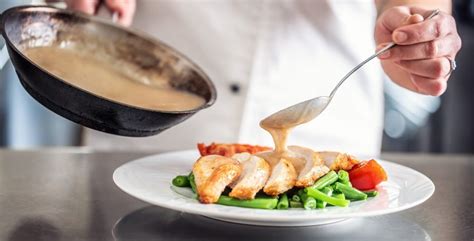
High-gloss, editorial-style photographs featuring perfectly plated dishes often dominate professional food magazines and high-end blogs. These visuals are breathtaking, evoking a sense of luxury and culinary artistry. They inspire awe and desire, but can sometimes feel intimidating, leading browsers to think, “I could never make that.”
2. The Step-by-Step Demystifier
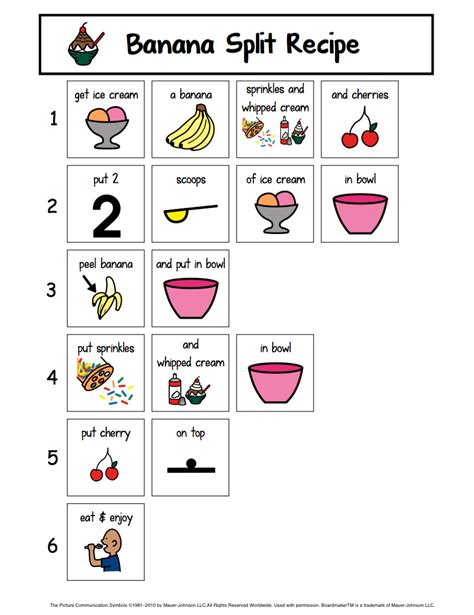
Visual content that breaks down a recipe into clear, sequential steps—whether through a photo gallery with captions or a concise instructional video—excels at reducing perceived difficulty. Seeing each ingredient added and each technique performed builds confidence and makes the cooking process feel approachable. This style often features close-ups of ingredients, hand movements, and cooking stages.
3. The Dynamic Short Video
Platforms like TikTok, Instagram Reels, and YouTube Shorts have popularized rapid-fire recipe videos. These visual bites often combine upbeat music with quick cuts, showing the entire cooking process from start to finish in 30-60 seconds. Their energy and pace are highly engaging, making even complex dishes seem quick and fun to prepare. The key here is not just showing the end product, but the journey.
4. The Rustic & Relatable
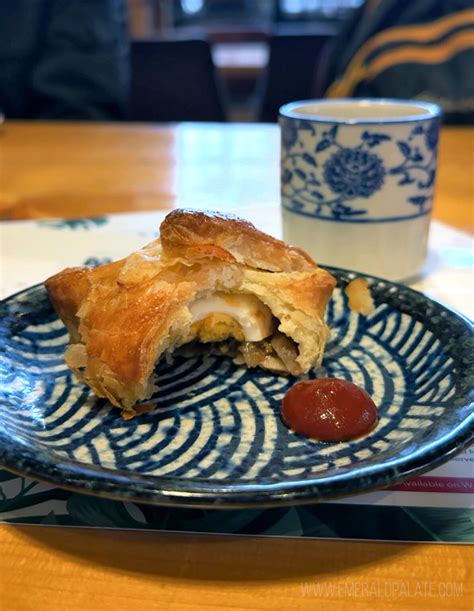
In contrast to aspirational food photography, the rustic or homey style embraces imperfections and a more natural, lived-in aesthetic. Think cozy kitchen settings, slightly unevenly sliced vegetables, and comfort food presented simply. This style fosters relatability, making viewers feel like, “I have those ingredients, and I can definitely whip that up in my own kitchen.”
What Drives Conversion: Inspiration vs. Instruction
The core difference between a “browser” and a “creator” lies in perceived ability and motivation. While all good food visuals are inspiring, those that convert also provide a sense of instruction or achievable ease. Purely aspirational content might inspire a restaurant visit, but instructional content inspires cooking.
- Clarity: Can the viewer understand the key steps or ingredients just by looking?
- Achievability: Does the dish look within their skill set, or does it seem daunting?
- Ingredient Focus: Does it highlight fresh, accessible ingredients that encourage a trip to the pantry or store?
- Process Visibility: Does it show enough of the “how-to” to build confidence?
The Winning Visual Bite Styles for Conversion
Based on these factors, certain Visual Bite styles consistently outperform others in converting viewers into active recipe creators:
- Step-by-Step Visual Guides (Photo or Video): These are arguably the most effective. By breaking down the process, they directly address the “how-to” and reduce the psychological barrier of complexity. Viewers can pause, re-watch, or carefully study each stage.
- Short, Process-Oriented Videos: When done well, these dynamic videos (think the overhead “hands only” style) not only inspire but also instruct at a rapid pace. They make cooking look efficient, fun, and often showcase a gratifying transformation from raw ingredients to a finished dish.
- Relatable & Unpretentious Photography: While high-end photos are beautiful, images that feel more “home cook” friendly and less studio-perfect can be incredibly effective. They build trust and make the recipe feel accessible to a broader audience. Focus on showing the deliciousness without excessive styling.
Crafting Converting Visual Bites
To maximize your Visual Bites’ conversion power, consider these strategies:
- Focus on the Process: Don’t just show the finished dish. Show key ingredients, mixing, cooking stages, and the satisfying final plating.
- Keep it Concise: Especially for videos, get straight to the point. Every second counts in capturing and holding attention.
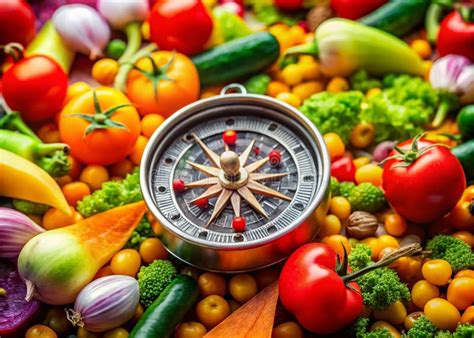
- Highlight Fresh Ingredients: Visuals of vibrant, fresh produce or quality ingredients subtly communicate health and taste, encouraging viewers to seek them out.
- Tell a Story: Even a short visual can tell the story of a dish’s creation, from simple ingredients to a delicious outcome.
- Empower, Don’t Intimidate: Aim for visuals that make viewers feel capable and excited to try, rather than overwhelmed by perfection.

Conclusion: From Viewer to Creator
Ultimately, the Visual Bite style that converts foodie browsers into recipe creators is one that balances inspiration with instruction, aspiration with achievability. It’s not just about showcasing a beautiful dish, but about empowering the viewer with the confidence and clarity to recreate that beauty themselves. By focusing on process, relatability, and clear steps, creators can transform passive admiration into active culinary creation, one delicious visual at a time.