Which Visual Bite visual hook drives real foodies to actually cook a recipe?
The Art of Conversion: From Glimpse to Gastronomy
In the vast ocean of digital food content, countless captivating images and videos vie for our attention. From glistening gourmet dishes to rustic homemade comforts, the visual feast is undeniable. But for a true ‘foodie’ – someone who genuinely loves the process of cooking, experimenting, and bringing flavors to life in their own kitchen – what kind of visual hook truly transcends admiration and ignites the desire to actually cook a recipe? It’s a delicate balance, moving beyond mere aesthetic appeal to actionable inspiration.
Defining the ‘Cooking Foodie’
A ‘cooking foodie’ isn’t just an admirer; they’re a doer. They seek more than just beauty; they look for potential, technique, and a promise of deliciousness that feels attainable. They want to envision themselves successfully recreating that dish. This demographic is less swayed by overly staged, unattainable perfection and more by visuals that communicate authenticity, process, and a relatable outcome.
The Power of Authenticity and Realism
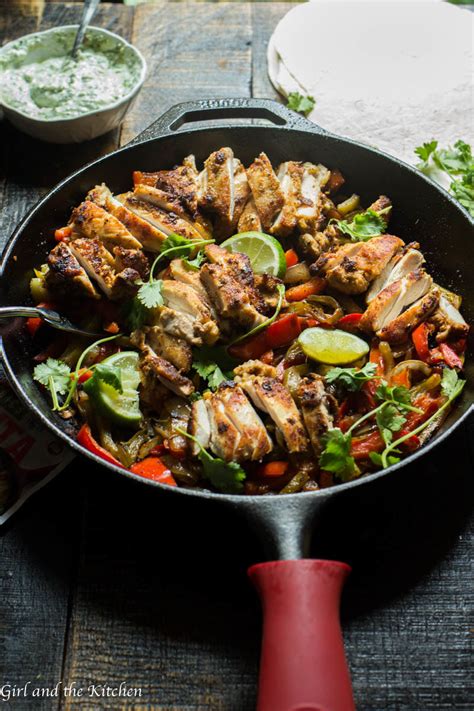
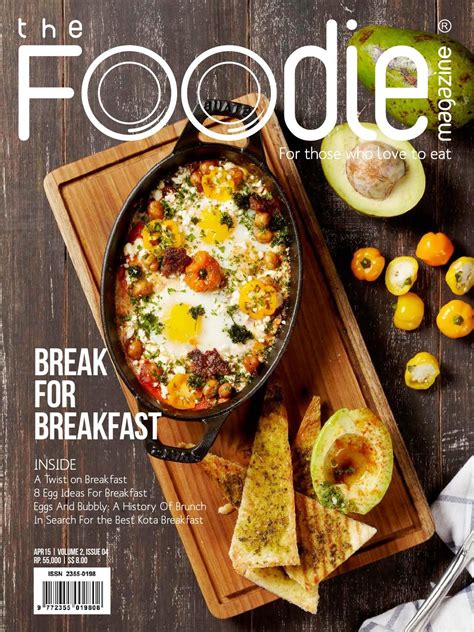
Perhaps the most potent visual hook for a cooking foodie is authenticity. This doesn’t mean sloppy, but rather a look that feels natural, a little lived-in, and not excessively airbrushed. A perfectly placed crumb, a slight smudge of sauce, or the natural imperfections of homemade bread can signal, “You can do this too.” It removes the intimidation factor often associated with highly stylized food photography.
Visuals that hint at the texture or smell – a crisp crust, melting cheese, a glistening sauce – tap into primal culinary desires, making the recipe feel more tangible and desirable to recreate.
Showcasing the ‘How’: Process and Technique Glimpses
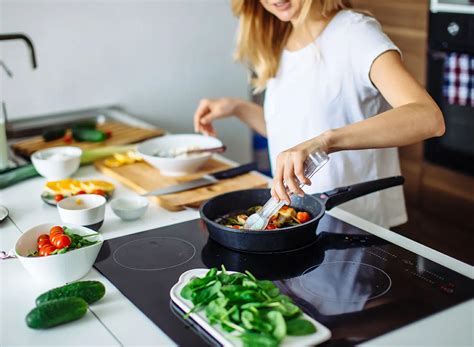
Foodies are inherently curious about technique. A visual bite that offers a brief, tantalizing glimpse into a key step or a unique cooking method can be incredibly motivating. This could be a close-up of dough being kneaded, a precise knife cut, the perfect sear on a piece of meat, or the moment ingredients emulsify. Such visuals provide both inspiration and a subtle tutorial, making the recipe feel less daunting and more inviting.
Highlighting Hero Ingredients
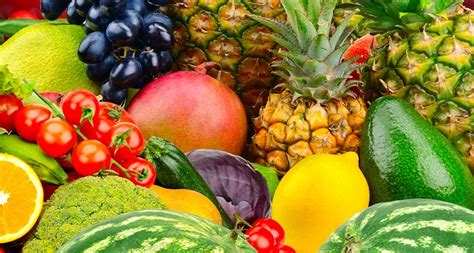
For many foodies, the quality and freshness of ingredients are paramount. A visual that spotlights vibrant, fresh produce, high-quality cuts of meat, or artisanal pantry staples can be a powerful driver. It suggests that the recipe’s success is rooted in excellent components, appealing to a foodie’s appreciation for good sourcing and foundational flavors.
An image showing the transformation – raw, beautiful ingredients laid out, followed by a shot of the finished dish – provides a satisfying narrative arc that encourages engagement.
The Sensory Call: Texture, Steam, and Sound (Implied)
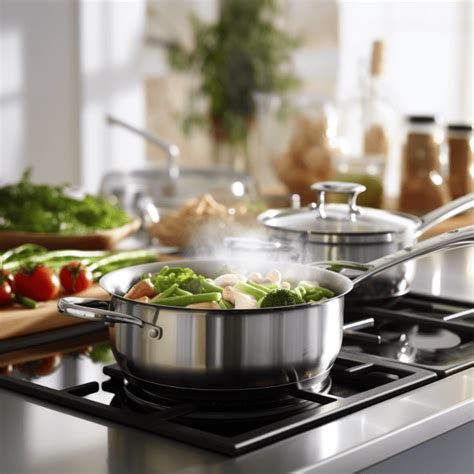
While visuals can’t directly convey smell or sound, they can strongly imply them. Wisps of steam rising from a freshly baked pie, the glistening sheen on a saucy pasta, the delicate crisp of a fried exterior – these are sensory triggers. They make the viewer’s mouth water and mentally transport them to the experience of eating, which then naturally leads to the desire to cook it.
Visuals that capture movement, like pouring a sauce or sprinkling a garnish, add a dynamic quality that can be very engaging.
Beyond Perfection: The Achievable Deliciousness
Ultimately, the visual hook that truly drives a cooking foodie to action isn’t about unattainable perfection. It’s about ‘achievable deliciousness.’ It’s a visual that says, “This looks incredible, and I believe I can make it happen in my own kitchen.” It combines tantalizing appeal with a hint of realism and clarity regarding the process or ingredients. It sparks joy, curiosity, and most importantly, the impulse to preheat the oven or chop some vegetables.
Whether it’s a perfectly gooey cheese pull, a beautifully browned roast, or a vibrant salad bursting with color, the most effective visual bites are those that whisper, “Come on, let’s cook!”