Which Visual Bites elements drive the most foodie shares and saves?
In the bustling world of digital gastronomy, where countless dishes vie for attention, ‘Visual Bites’ are the tantalizing snapshots that make or break engagement. For foodies, these aren’t just pretty pictures; they’re sources of inspiration, recipes to try, and experiences to share. Understanding what compels a user to hit ‘share’ or ‘save’ is crucial for anyone creating food-related content.
The Power of Visual First Impressions
Before a caption is read or a recipe is considered, it’s the visual appeal that hooks a foodie. A compelling image or video instantly communicates deliciousness, quality, and potential. Shares are often driven by content that evokes an emotional response – awe, craving, or humor – making it worthy of spreading to one’s network. Saves, on the other hand, indicate perceived utility or future reference, whether it’s for a recipe, a plating idea, or a restaurant recommendation.
The distinction between what drives a share versus a save often lies in the implicit value offered. Shareable content sparks immediate emotional resonance, while savable content promises lasting practical value.
High-Quality Photography and Lighting: The Foundation
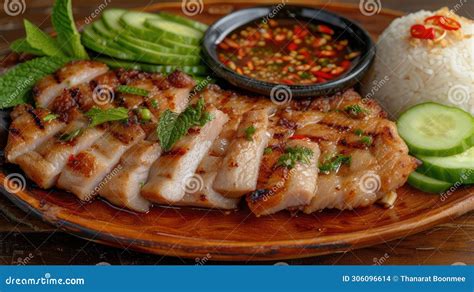
It sounds obvious, but crisp, well-lit photography is non-negotiable. Blurry images, poor composition, or artificial lighting can instantly deter viewers. Natural light often works best, highlighting textures and colors authentically. Food should look appetizing, fresh, and inviting. The goal is to make the viewer feel like they could almost taste or smell the dish through the screen.
While professional-grade equipment can help, the principles of good photography are accessible to everyone. Focus on clear subject matter, appropriate depth of field, and a clean background that doesn’t distract from the star of the show: the food itself.
Irresistible Presentation and Styling
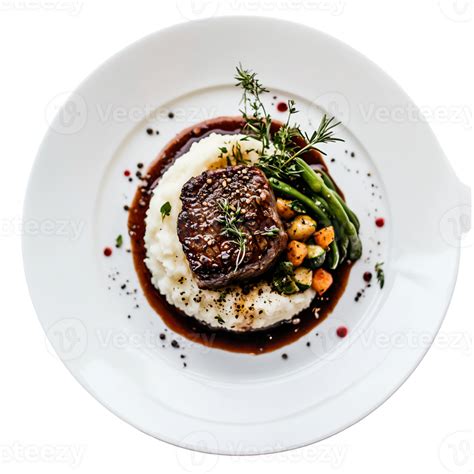
Beyond technical photography, the art of food styling plays an enormous role. How the food is arranged on the plate, the choice of props, and even the angle of the shot can transform a simple meal into a visual masterpiece. Garnishes, drizzles, and strategic placement of ingredients enhance visual appeal, suggesting care and culinary expertise.
Think about the ‘food porn’ effect; content that truly makes mouths water through its aesthetic precision and artistic flair tends to perform exceptionally well. Artful plating elevates the dish, making it appear more sophisticated and desirable.
Vibrant Colors, Textures, and Freshness
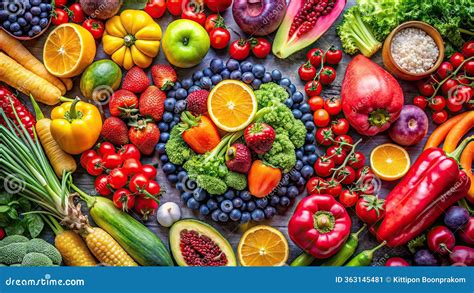
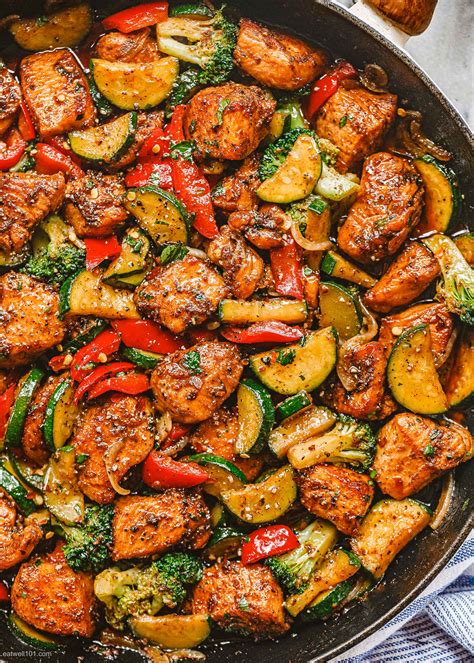
Humans are inherently drawn to vibrant colors, especially when it comes to food, as they often signal freshness and flavor. A dish bursting with natural hues from fresh vegetables, fruits, and herbs is inherently more appealing than a monochromatic one. Contrast in color and texture (e.g., crispy topping on a creamy base, glistening sauce over tender meat) adds dynamic interest and communicates a fuller sensory experience.
Highlighting the freshness of ingredients, perhaps by showing a glistening piece of fruit or a perfectly seared vegetable, reinforces the health and quality aspects, appealing to a broader audience who value wholesome eating.
Context, Storytelling, and Authenticity
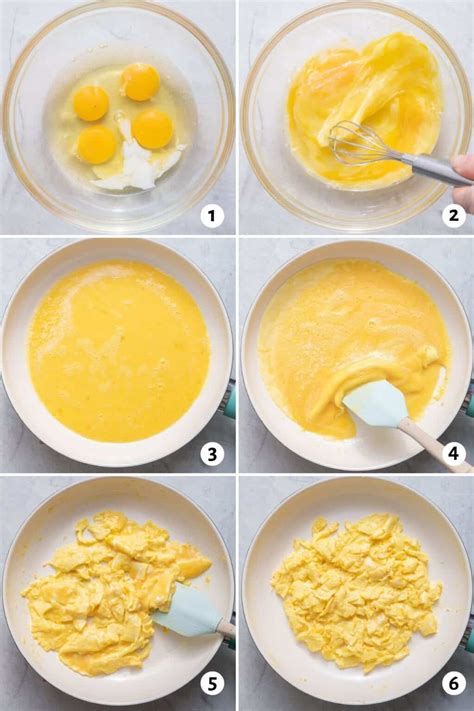
Food content that offers more than just a static image tends to resonate deeper. Showing the process of creation, the ingredients being prepped, or even the meal being enjoyed in a pleasant setting adds layers of context and authenticity. Behind-the-scenes glimpses or step-by-step visuals are particularly potent drivers for ‘saves’ because they provide practical, actionable value, such as a recipe tutorial or a cooking hack.
Storytelling through visuals—even a brief one—can forge a stronger connection. This could be a hand reaching for a piece of bread, steam rising from a hot bowl, or a beautifully set table suggesting a shared experience. Such elements make the content more relatable and inspire viewers to recreate the moment.
The Relatability Factor: Aspiration vs. Achievability
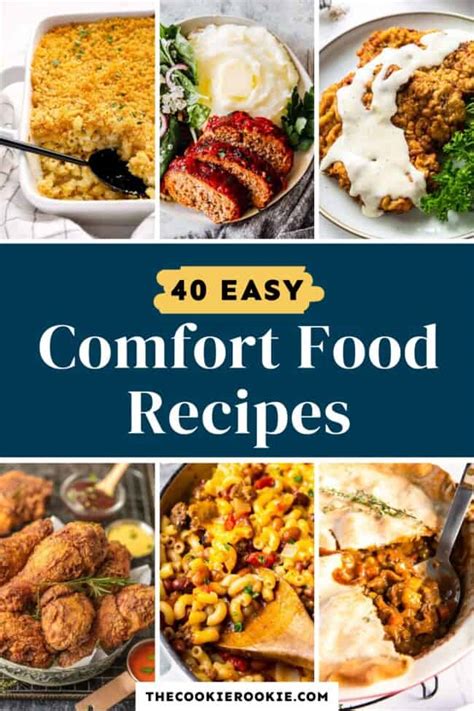
While aspirational fine-dining shots can inspire shares due to their aesthetic beauty, content that feels achievable often drives more saves. Home cooks frequently save recipes and plating ideas that they can realistically replicate in their own kitchens. This includes comfort food, quick meal ideas, and easy baking projects.
Striking a balance between making food look exceptional and making it feel accessible can be a powerful strategy. Content featuring ingredients that are easy to source, or techniques that aren’t overly complicated, tends to have a higher ‘save-ability’ index.
The Role of Specificity and Value Proposition
Finally, content that clearly communicates its value proposition performs best. Is it a full recipe? A clever food hack? A review of a new restaurant? When the visual bite explicitly or implicitly answers ‘what’s in it for me?’ it encourages engagement. For saves, this means visual cues that suggest a recipe, a technique, or a useful tip is attached. For shares, it means content that inspires, entertains, or informs in a compelling, easily digestible visual format.
Conclusion
Driving foodie shares and saves boils down to a strategic blend of visual excellence, perceived value, and emotional resonance. High-quality, well-styled photography with vibrant colors and textures forms the essential base. Adding authenticity, storytelling, and a sense of relatability transforms a mere image into content that compels action. By focusing on these elements, creators can craft Visual Bites that not only capture attention but also foster a deeper connection with the discerning foodie community.