Which Visual Bites format best engages foodies & boosts recipe click-through rates?
The Power of Visuals in Food Storytelling
In the vibrant and competitive world of food content, visuals are not just an accessory; they are the main course. For foodies, the journey from discovery to a delicious meal often begins with a single glance – a tantalizing image or an engaging video that sparks curiosity and craving. The challenge for creators and marketers lies in identifying which ‘Visual Bites’ format truly cuts through the noise, captivates the audience, and, critically, compels them to click through to a full recipe.
Understanding the nuances of different visual mediums is paramount to building an effective content strategy. It’s about more than just making food look good; it’s about making it irresistible and actionable. We’ll dive into the most popular formats, dissecting their unique strengths and weaknesses when it comes to foodie engagement and the ultimate goal: boosting recipe click-through rates (CTR).
Deconstructing Popular Visual Bites Formats
Short-Form Video (Reels, TikToks, Shorts)
Short-form video has exploded in popularity, offering a dynamic and immersive way to showcase recipes. These bite-sized clips can demonstrate cooking processes, highlight key ingredients, and evoke emotions through music and quick cuts. Foodies often appreciate the authenticity and speed, making them highly engaging for quick consumption. Their viral potential on platforms like TikTok and Instagram Reels can significantly broaden reach, and a well-executed video often leaves viewers wanting more – a perfect setup for a click-through.
High-Quality Static Photography (Single, Carousel)
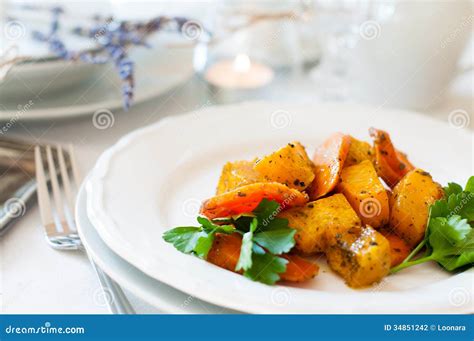
The timeless appeal of a stunning food photograph remains unchallenged. High-quality static images allow foodies to savor every detail, from the glistening sauce to the perfectly cooked texture. A single hero shot can be incredibly powerful, while carousel posts offer the opportunity to showcase different angles, ingredients, or even a mini-storyboard of the dish. Static images are highly shareable, versatile across platforms, and convey a sense of professionalism and artistry that deeply resonates with discerning palates.
Animated Glimpses: GIFs and Cinemagraphs
Bridging the gap between static images and full videos, GIFs and cinemagraphs offer subtle movement that can instantly catch the eye. A steaming cup of coffee, bubbling cheese, or a gentle drizzle of sauce can add a layer of allure without requiring a full video commitment. These formats are less common for entire recipe presentations but excel at highlighting a specific texture, action, or the overall appeal of a finished dish, creating a moment of visual magic that prompts a closer look.
Informative Visuals: Infographics & Recipe Cards
For those who prioritize clarity and quick information, infographics and visually appealing recipe cards are invaluable. These formats condense essential details like ingredients lists, preparation times, and key steps into an easily digestible visual. While perhaps less emotionally charged than a video or a dramatic photograph, they are highly practical and shareable, appealing to foodies looking for efficient planning and quick reference. They can serve as an excellent teaser for a more detailed recipe.
What Makes Foodies Click? Key Engagement Drivers
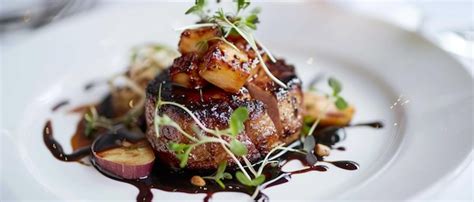
Beyond the format itself, certain elements consistently drive foodie engagement. Authenticity, showing real food being made and enjoyed, fosters trust. Appetizing aesthetics—perfect lighting, thoughtful plating, and vibrant colors—are non-negotiable for sparking cravings. Storytelling, whether through a brief narrative in a video or the implied journey of a photographic series, creates a deeper connection. Ultimately, the visual bite needs to offer value, whether that’s inspiration, clear instructions, or simply pure visual delight, leaving the viewer wanting to explore further.
Optimizing for Click-Through Rate (CTR)
Engaging foodies is one thing; getting them to click is another. For short-form videos, a strong hook in the first few seconds and a clear, compelling call to action (CTA) at the end are crucial. Static images benefit from captivating captions that promise more information on the linked page, along with prominent link placement. GIFs and cinemagraphs can intrigue, leading users to seek the full story. For all formats, creating a sense of curiosity or a clear solution to a culinary need often serves as the strongest motivator for a click. Ensuring mobile optimization for the recipe page is also critical, as most visual bites are consumed on smartphones.
Synthesizing the Best Strategy: A Multi-Format Approach
There isn’t a single ‘best’ format; rather, the most effective strategy often involves a thoughtful combination. Short-form videos excel at capturing broad attention and demonstrating process. High-quality static images are superb for showcasing the final product and maintaining an aesthetic brand identity. GIFs can add a unique touch of animation, while informative visuals streamline practical details. The key is to understand your audience, the platform you’re using, and the specific goal of each piece of content. A/B testing different formats and CTAs can provide invaluable insights into what resonates most with your unique foodie community.
Conclusion: Visual Versatility is Key
Engaging foodies and boosting recipe click-through rates requires a nuanced understanding of visual communication. By strategically deploying a mix of short-form videos, high-quality photography, subtle animations, and clear infographics, creators can craft a compelling narrative around their recipes. Focus on authenticity, aesthetic appeal, clear calls to action, and adapting your visual bites to both platform and audience preferences. Ultimately, the most successful strategy is one that consistently inspires curiosity and promises a delicious reward, driving those crucial clicks to your full recipes.