Which Visual Bites photo angles boost foodie recipe clicks most?
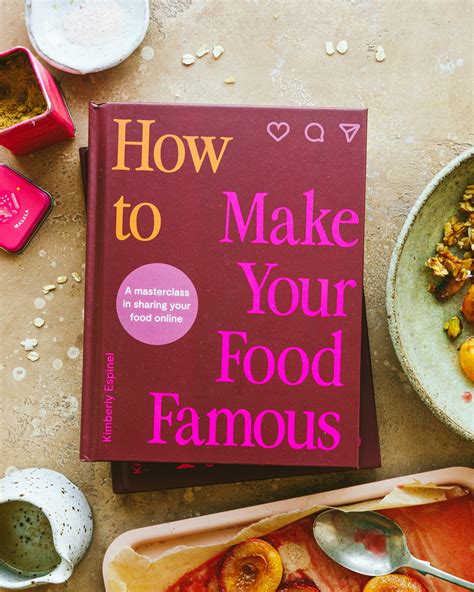
In the highly visual world of online food content, a stunning photograph is often the first, and most crucial, step in capturing a viewer’s attention and enticing them to click on your recipe. With an endless scroll of delicious-looking dishes, standing out requires more than just good food; it demands strategic visual storytelling. The angle from which you photograph your culinary creations can dramatically influence whether a potential reader pauses, drools, and ultimately, clicks through to discover your recipe.
The Power of Perspective: Why Angles Matter
Each photographic angle offers a unique perspective, highlighting different aspects of a dish and evoking distinct emotions. Understanding these nuances is key to selecting the shot that best showcases your recipe and compels viewers to learn more. It’s about presenting your food in its most appealing light, emphasizing textures, layers, and the overall ‘eat me’ appeal.
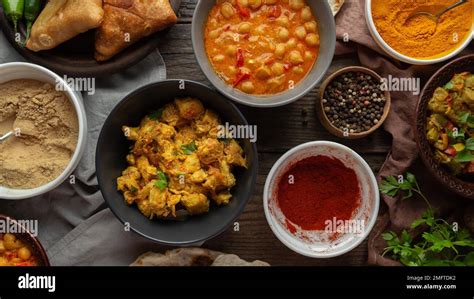
The Overhead Shot: The ‘Flat Lay’ Favorite
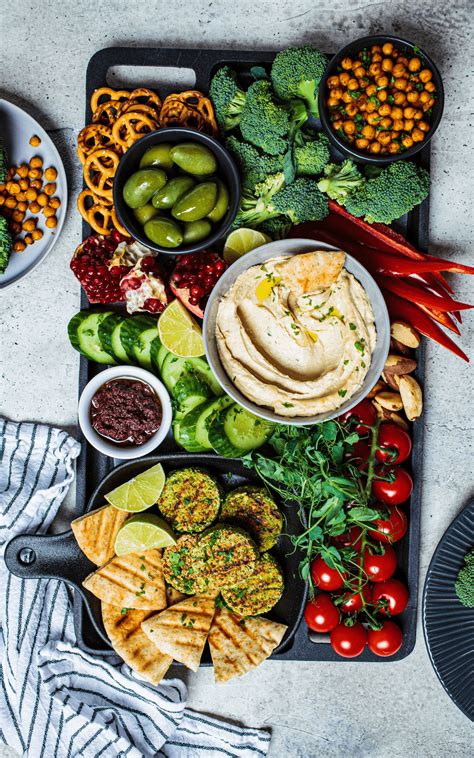
Also known as the bird’s-eye view, the overhead shot positions the camera directly above the food, looking straight down. This angle is incredibly popular for its ability to present an entire scene or a collection of ingredients in a clean, organized manner. It works exceptionally well for dishes served in bowls, elaborate breakfast spreads, charcuterie boards, or when you want to show off multiple components of a meal.
Why it boosts clicks: The flat lay offers a comprehensive view, allowing viewers to appreciate the full context and arrangement of the food. Its clean lines and symmetrical potential create a sense of aesthetic satisfaction and clarity, making it easy to digest the visual information quickly and inviting interaction.
The 45-Degree Angle: The Natural Eater’s View
The 45-degree angle, or eye-level shot, is arguably the most common and versatile in food photography. It mimics the perspective a person has when sitting at a table, about to enjoy a meal. This angle is fantastic for showcasing layers, depth, and the inviting texture of the food, making it feel more immediate and approachable.
Why it boosts clicks: By presenting food as it would naturally appear before consumption, this angle creates a strong sense of realism and desire. It highlights the dish’s volume, height, and deliciousness, making viewers feel as if they could reach out and grab a bite. Think towering burgers, decadent cakes, or a bubbling casserole.
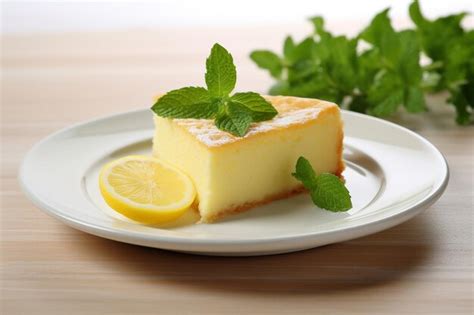
The Close-Up Shot: Irresistible Detail
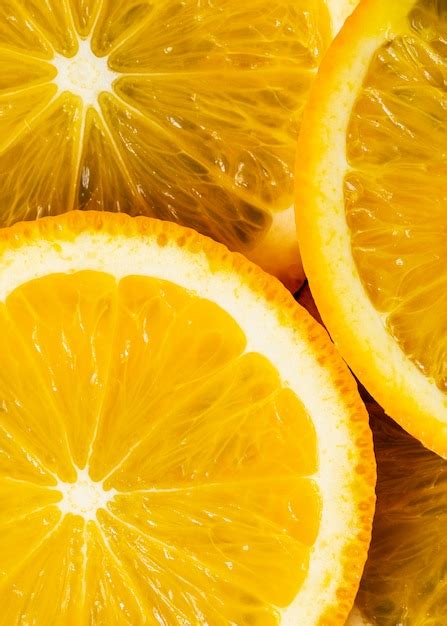
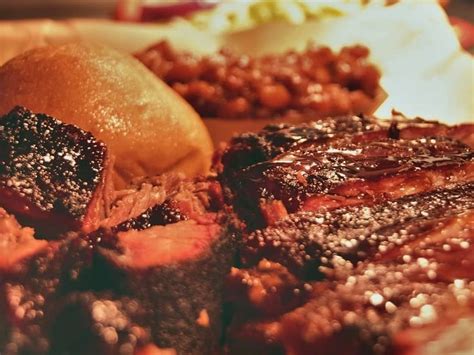
A close-up shot zooms in on a specific detail, texture, or a particularly enticing part of the dish. This angle is all about creating intimacy and emphasizing the sensory appeal of the food – the glistening sauce, the crispiness of a crust, the melted cheese pull, or the perfect sear on a piece of meat.
Why it boosts clicks: Close-ups are powerful craving generators. By focusing on exquisite detail, they trigger strong emotional responses and make the food appear incredibly appetizing and delicious. They tell a story of texture and taste, often leaving viewers with an insatiable desire to try the recipe themselves.
The Low Angle: The Hero Presentation
Shooting from a low angle, slightly below the dish and looking up, can make food appear grander, taller, and more impressive. This ‘hero’ shot lends a monumental quality to the subject, often emphasizing height and volume. It’s particularly effective for dishes with significant stature, like a stack of pancakes, a multi-tiered cake, or a tall sandwich.
Why it boosts clicks: This angle can give food an almost aspirational quality, making it seem larger than life and incredibly appealing. It generates excitement and a sense of awe, compelling viewers to click through to discover the recipe for such an impressive creation.
Strategic Angle Selection for Maximum Engagement
The key to boosting recipe clicks isn’t just about using one “best” angle, but rather selecting the most appropriate angle for each specific dish and the story you want to tell. Consider what aspect of your food is most appealing: Is it the array of ingredients (overhead)? The juicy layers (45-degree)? The crispy crust (close-up)? Or its impressive height (low angle)?
Experimentation is crucial. Don’t be afraid to try multiple angles for the same dish and observe which ones garner the most engagement on your platforms. Analyzing your audience’s preferences through A/B testing can provide invaluable insights into what visual cues drive clicks for your specific content.
Conclusion: Master Your Angles, Master Your Clicks
Mastering food photography angles is a powerful skill that directly translates into higher recipe click-through rates. By thoughtfully choosing your perspective – whether it’s the comprehensive flat lay, the inviting 45-degree, the detailed close-up, or the grand low angle – you can effectively communicate the deliciousness and unique qualities of your recipes. Invest time in understanding these angles, practice their application, and watch your foodie audience grow, hungry for more of your culinary creations.