Which ‘Visual Bites’ style best cuts through noise to engage real foodies & drive clicks?
The Digital Deluge: Why Visuals Are More Crucial Than Ever
In today’s hyper-visual digital world, the sheer volume of content vying for attention is overwhelming. For food creators, bloggers, and brands, standing out amidst a constant stream of delectable dishes is a monumental challenge. ‘Visual bites’ – those tantalizing images and short videos – are no longer a luxury but an absolute necessity to capture fleeting interest. But not all visuals are created equal, especially when aiming to engage the discerning palate of a true foodie and convert that engagement into clicks.
Deconstructing the Foodie Psyche: What Truly Appeals?
Real foodies aren’t just looking at food; they’re looking for an experience, a story, a promise of flavor, or a journey. They appreciate authenticity, quality, and often, the craft behind the dish. Understanding these underlying desires is paramount when selecting a visual style. Let’s explore several prominent ‘visual bites’ styles and evaluate their effectiveness.
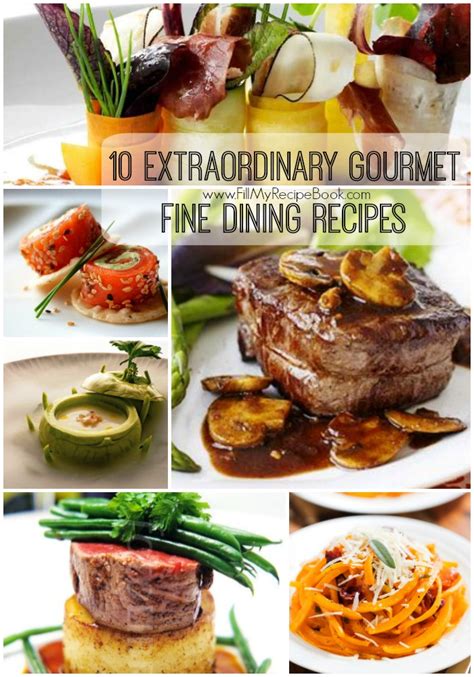
1. The Gourmet & Fine Dining Aesthetic
This style emphasizes precision, elegant plating, sophisticated backdrops, and often a minimalist approach. Think perfectly seared scallops on a stark white plate, or an intricately layered dessert. The focus is on artistry and perceived luxury.
Pros:
- Conveys high quality and professionalism.
- Appeals to aspirational foodies and those interested in culinary art.
- Can position a brand as premium or exclusive.
Cons:
- Can sometimes feel unapproachable or intimidating.
- May not resonate with audiences looking for comfort or everyday meals.
- Requires significant skill in styling and photography.
2. The Homestyle & Comfort Food Charm
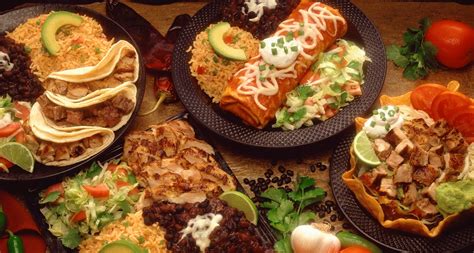
In stark contrast, this style celebrates warmth, familiarity, and a sense of homemade goodness. It often features rustic settings, generous portions, natural lighting, and a slightly imperfect, “real” feel. Think steaming bowls of pasta, bubbling casseroles, or freshly baked bread on a wooden board.
Pros:
- Highly relatable and evokes strong emotional connections.
- Suggests accessibility and comfort, appealing to a broad audience.
- Often performs well on platforms where authenticity is valued.
Cons:
- Can sometimes be perceived as less “professional” or gourmet.
- Risk of looking messy or unappetizing if not executed well.
3. Action Shots & Process-Oriented Visuals
These are dynamic visuals that capture food in motion or highlight the cooking process. Think sizzling pans, cheese pulls, sauces being drizzled, dough being kneaded, or ingredients being chopped. This style thrives in video formats but can also be effective in high-speed photography.
Pros:
- Highly engaging and attention-grabbing, especially for video content.
- Shows authenticity and skill, building trust.
- Creates anticipation and a sense of ‘being there.’
Cons:
- Requires good videography/photography skills and equipment.
- Can be challenging to execute consistently.
4. Ingredient-Focused & Macro Shots
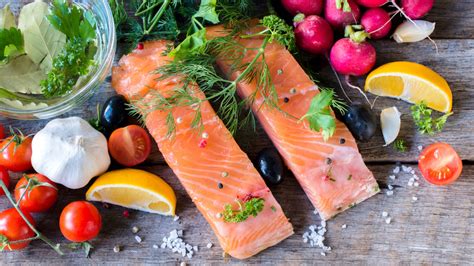
This style zooms in on the raw beauty and texture of individual ingredients or key components of a dish. Think vibrant close-ups of fresh herbs, the glistening skin of a ripe tomato, or the intricate layers of a pastry. It speaks to foodies who appreciate quality produce and craftsmanship.
Pros:
- Highlights freshness, quality, and often, the source of food.
- Appeals to those interested in cooking, recipes, and food origins.
- Can create a sense of intrigue and natural beauty.
Cons:
- May lack the “complete dish” appeal for some.
- Requires excellent lighting and macro photography skills.
5. Lifestyle & Experience-Driven Visuals
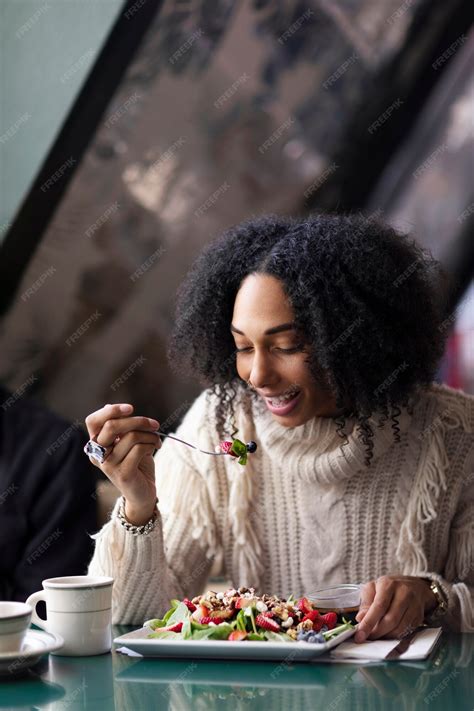
Beyond just the food, this style captures the entire dining experience – people enjoying meals, restaurant ambiance, tablescapes, or food in natural, everyday settings. It sells a feeling, a moment, or a lifestyle associated with the food.
Pros:
- Creates a broader, more immersive narrative.
- Excellent for building brand identity and community.
- Helps potential customers envision themselves enjoying the product/experience.
Cons:
- The food itself might become secondary.
- Requires careful staging and potentially models.
Cutting Through the Noise: The Hybrid Approach & Key Principles
While each style has its merits, the most effective ‘visual bites’ often employ a hybrid approach, strategically combining elements to tell a richer story. For instance, a gourmet dish might be introduced with a detailed ingredient macro shot, followed by an elegant plating, and finally, a lifestyle shot of it being enjoyed.
Regardless of the chosen style, several universal principles enhance engagement and drive clicks:
- Exceptional Lighting: Natural, soft light is almost always superior.
- Strong Composition: Utilize rule of thirds, leading lines, and negative space.
- Authenticity: Even highly styled food should look genuine and appealing.
- Storytelling: Every image should tell a micro-story or hint at a larger narrative.
- Call to Action (Implicit or Explicit): What do you want the viewer to do next?
Conclusion: Find Your Flavor Profile
There’s no single “best” visual bite style; rather, the most effective one is contingent on your specific audience, brand identity, and content goals. Experimentation is key. Analyze which images garner the most likes, shares, comments, and crucially, click-throughs to your recipes, reviews, or products. By understanding the nuanced appeal of each visual strategy and applying universal principles of great food photography, you can craft ‘visual bites’ that don’t just get seen, but truly cut through the noise to engage real foodies and drive the actions you desire.