Which ‘Visual Bites’ visual styles convert most foodies to full recipe pages?

In the digital age, where attention spans are fleeting, ‘Visual Bites’ – those stunning, quick-to-consume food images or short videos – are paramount for capturing the hearts (and stomachs) of food enthusiasts. But beyond mere aesthetic appeal, the ultimate goal for many food creators and publishers is to convert these initial glances into deeper engagement, specifically driving foodies to full recipe pages. The question then arises: which visual styles are the most effective at making this leap from passive viewing to active recipe exploration?
The Psychology Behind Food Visuals and Conversion
Food is inherently sensory, and good visuals tap into this primal connection. A compelling image can trigger cravings, evoke memories, and promise delicious outcomes, making the viewer want to learn more. However, not all visuals are created equal when it comes to conversion. The style, composition, lighting, and even the mood conveyed by a ‘Visual Bite’ can significantly influence a foodie’s decision to click through to a full recipe.
Deconstructing High-Converting Visual Styles
1. The Minimalist & Clean Approach
Often featuring a single dish on a plain background, with impeccable lighting and simple props, this style champions the food itself. It’s about clarity, precision, and highlighting the inherent beauty of the ingredients and the final product. For recipes that are elegantly plated or feature fresh, vibrant components, a minimalist approach can communicate sophistication and ease of preparation, subtly suggesting the recipe won’t be overly complicated to achieve. Foodies seeking inspiration for everyday gourmet meals often respond well to this.
2. The Lifestyle & Contextual Scene
This style places the food within a broader narrative, perhaps on a rustic kitchen table, as part of a cozy brunch, or being enjoyed by people. It sells an experience rather than just a dish. By showing the food in context, it helps the viewer envision themselves making and enjoying the recipe, triggering emotional resonance. This is particularly effective for comfort food, holiday meals, or dishes intended for entertaining, as it taps into aspirations for shared moments and joyful experiences.
3. Vibrant & Bold: A Feast for the Eyes
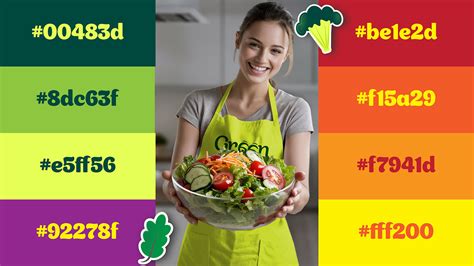
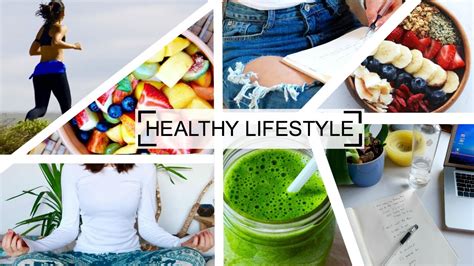
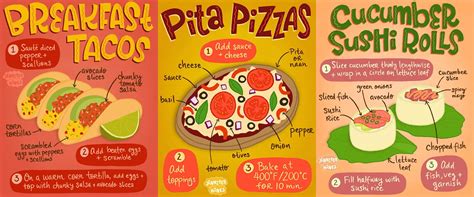
Characterized by bright colors, dynamic compositions, and often a slightly more chaotic yet artful arrangement, this style is designed to grab attention instantly. It works wonders for dishes with natural color (think fresh salads, colorful curries, or fruit tarts) and for content aimed at a younger, more adventurous audience. The energy of these visuals can communicate excitement and novelty, suggesting that the recipe offers a delightful surprise or a burst of flavor that’s worth exploring.
4. Macro & Detail Shots: Highlighting Texture and Ingredients
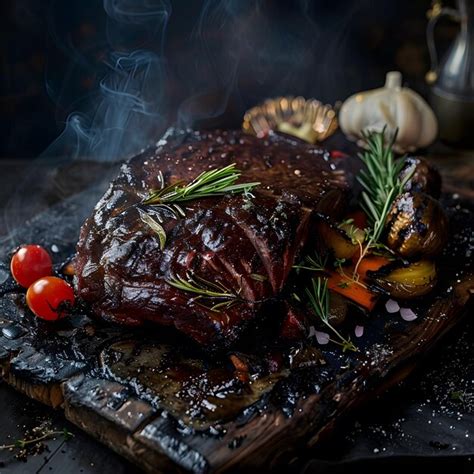
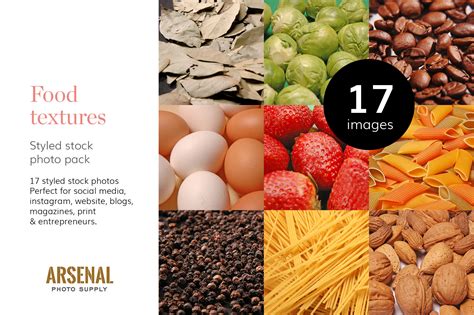
Focusing on the intricate details of a dish – the glistening sauce, the crisp crust, the perfect crumb, or the fresh herbs – macro shots can be incredibly powerful. They appeal to the tactile and sensory aspects of eating, making the viewer almost able to taste and feel the food. This style is excellent for highlighting the quality of ingredients, the mastery of a technique, or the unique textures that make a dish special. It builds anticipation and curiosity, making the viewer eager to replicate that sensory experience.
Beyond Aesthetics: What Drives the Click?
While visual style is crucial, conversion is also heavily influenced by other factors that intertwine with the visuals:
- Clarity and Appeal: The dish must look appetizing and achievable.
- Authenticity: Overly processed or artificial-looking images can deter engagement.
- Relevance: Does the visual promise a recipe that aligns with the foodie’s current interests (e.g., quick weeknight meals, healthy options, indulgent treats)?
- Call to Action: While not part of the visual itself, the surrounding text and a clear call to action are vital.
Optimizing Your ‘Visual Bites’ Strategy
To maximize conversion, consider A/B testing different visual styles for your ‘Visual Bites’. Track metrics like click-through rates (CTR) from social media posts or embedded visuals on your site. Analyze which styles consistently lead users to spend more time on recipe pages. Don’t be afraid to experiment and cater to different segments of your audience. Some might prefer the clean look, while others are drawn to vibrant energy.

Conclusion: Crafting Conversion-Driven Visuals
Ultimately, the most effective ‘Visual Bites’ are those that not only look delicious but also strategically align with what your audience is looking for in a recipe. Whether it’s the elegant simplicity of a minimalist shot, the inviting warmth of a lifestyle scene, the exciting burst of a vibrant photo, or the tantalizing detail of a macro image, understanding your audience and testing your visuals are key. By intentionally crafting your ‘Visual Bites’, you can turn passive scrolling into active cooking, bringing more foodies from curiosity to culinary creation.