
Which visual composition trick makes a food bite pop on scroll for hungry foodies?

In the relentless current of digital feeds, where countless images vie for mere seconds of attention, making a food bite truly ‘pop’ on scroll is an art form. For hungry foodies, a mere glimpse should evoke an immediate, visceral craving – a desire so potent it halts their scrolling finger. While delicious food is the prerequisite, it’s the strategic use of visual composition that elevates an image from good to irresistible. So, what’s the trick that makes food leap off the screen?
The Magnetic Pull of Macro and Extreme Close-Ups
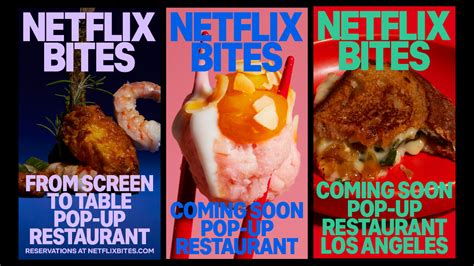
One of the most potent strategies to make food pop is the judicious use of macro photography and extreme close-ups. By honing in on a specific texture, a glistening sauce, or the delicate layering of ingredients, you create an intimate experience for the viewer. This proximity eliminates distractions and forces the eye to appreciate the minute details that signal freshness, crunch, gooeyness, or juiciness.
Think about a close-up shot of melted cheese stretching from a pizza slice, the individual bubbles on a perfectly seared steak, or the condensation on a chilled drink. These details, often lost in wider shots, become the heroes in a macro composition, triggering an immediate sensory response and making the food feel almost tangible through the screen.
Dynamic Angles and Strategic Framing
While the classic overhead ‘flat lay’ has its charm, breaking away with dynamic angles can dramatically increase visual interest. Shooting from a low angle can make a dish appear grander and more imposing, highlighting its height and structure. An eye-level shot, on the other hand, creates a more personal, ‘meal-on-the-table’ feel, inviting the viewer to imagine taking the first bite.
Strategic framing also plays a crucial role. Using elements within the scene to frame your hero dish – perhaps a strategically placed utensil, a subtly blurred background plate, or even the edge of a rustic table – can draw the viewer’s eye directly to the star. Employing the rule of thirds or leading lines can guide the eye effortlessly across the composition, making the image more engaging and less static.
Mastering Shallow Depth of Field for Singular Focus
Perhaps the single most effective trick for making a food bite pop is the masterful application of a shallow depth of field. By using a wide aperture (low f-number), you can blur out the background and foreground, creating a beautiful ‘bokeh’ effect that sharply isolates your main subject – the hero food item. This technique instantly draws all attention to the focal point, removing any visual clutter that might compete for the viewer’s eye.
When everything around the food melts into a soft, creamy blur, the food itself becomes exceptionally sharp, vibrant, and incredibly appealing. It gives the impression that the food is almost three-dimensional, standing out boldly from its surroundings, making it irresistibly clear what the viewer should be salivating over.
The Irresistible Allure of Vibrant Colors and Contrasting Textures
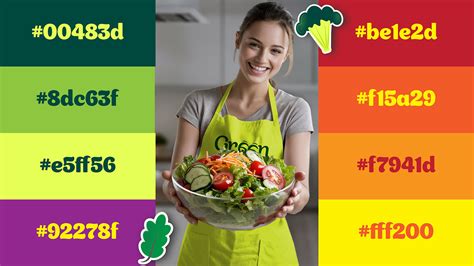
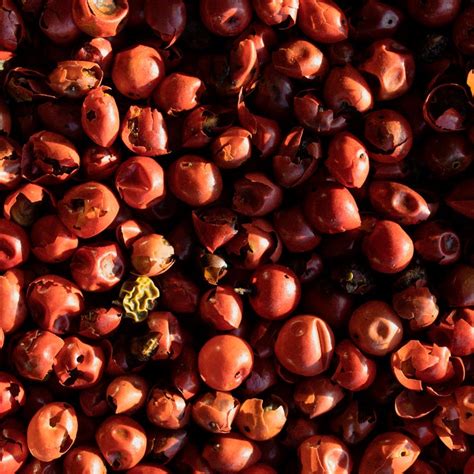
Humans are inherently drawn to vibrant, natural colors, especially when it comes to food, as they often signal freshness and health. Maximizing the natural color palette of your dish through careful lighting and minimal post-processing can significantly enhance its appeal. Beyond color, highlighting contrasting textures is key: the crispiness of a crust next to a soft interior, the smoothness of a sauce drizzled over a rough-hewn ingredient, or the delicate fluffiness of a pastry.
These textural contrasts create visual interest and hint at the varied sensations awaiting the eater. When combined with excellent lighting that accentuates highlights and shadows, these elements make the food look more dynamic and less flat, compelling the viewer to pause and appreciate its complexity.
Evoking Action and Anticipation
Adding a subtle element of action or anticipation can transform a static image into a dynamic narrative. This could be a hand reaching for a piece of food, a stream of steam rising from a hot dish, a drizzle of sauce or honey, or even crumbs scattered around a recently consumed bite. These elements imply movement, freshness, and the imminent pleasure of eating, making the viewer feel like they are part of the experience rather than just an observer.
An action shot tells a story, suggesting immediate indulgence and making the food appear more approachable and ready to be enjoyed. It turns the image into an invitation, triggering the ‘I want that now’ response that every food content creator aims for.

Ultimately, making a food bite pop on scroll isn’t about a single trick but a harmonious blend of these compositional strategies. By prioritizing extreme close-ups, utilizing shallow depth of field, employing dynamic angles, enhancing natural colors and textures, and hinting at action, content creators can craft images that don’t just appear on a screen, but rather, leap off it, capturing the hungry foodie’s attention and imagination with an undeniable pull.