Why do my roasted veggies get soggy? Tips for crispy texture!
Unlocking the Secret to Perfectly Crispy Roasted Vegetables
There’s nothing quite like the irresistible aroma and delightful crunch of perfectly roasted vegetables. Yet, for many home cooks, the reality often falls short of the ideal, resulting in a soggy, steamed mess rather than a golden, caramelized triumph. If you’ve ever wondered why your roasted veggies end up limp and lifeless, you’re not alone. The good news is that achieving that coveted crispy texture isn’t a dark art; it’s a science, and with a few simple adjustments, you can transform your roasting game.
The primary culprits behind soggy vegetables are usually excess moisture, inadequate heat, and improper airflow. Understanding these factors is the first step towards culinary success. Let’s delve into the common mistakes and how to fix them.
Common Mistakes Leading to Soggy Veggies
1. Overcrowding the Pan
This is perhaps the most frequent offender. When you pack too many vegetables onto a single baking sheet, they release their natural moisture as they cook. Instead of evaporating, this moisture gets trapped, essentially steaming the vegetables rather than roasting them. They end up sitting in their own liquid, becoming soft and mushy.
2. Insufficiently Dry Vegetables
Even a little residual water from washing can significantly impact the outcome. That extra surface moisture will turn to steam in the hot oven, again contributing to a soggy texture before any browning can occur.
3. Low Oven Temperature
Roasting requires high heat. A low oven temperature won’t be hot enough to evaporate moisture quickly and promote the Maillard reaction (the browning and crisping process). The vegetables will simply cook slowly and steam.
4. Using Too Much Oil (or the Wrong Type)
While oil is essential for crisping and flavor, too much can prevent direct contact with the hot pan, hindering browning. Moreover, oils with a low smoke point will burn before the vegetables have a chance to crisp.

Tips for Achieving Crispy Roasted Vegetables
1. Give Them Space
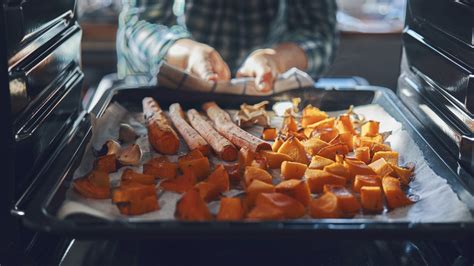
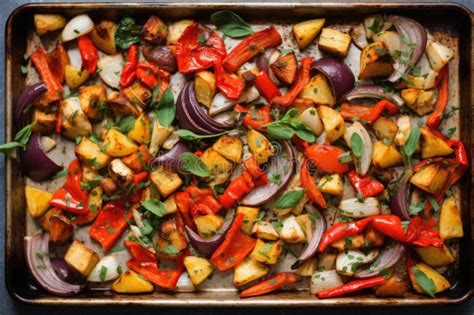
Always spread your vegetables in a single layer on the baking sheet, ensuring there’s plenty of space between each piece. If you have a large batch, use two baking sheets or roast in batches. Airflow is crucial for moisture evaporation.
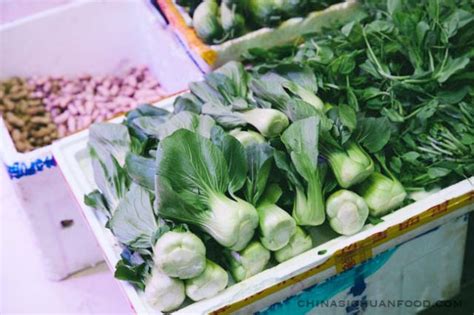
2. Dry, Dry, Dry!
After washing your vegetables, pat them thoroughly dry with a clean kitchen towel or paper towels. For extra assurance, you can even let them air-dry for 10-15 minutes before tossing with oil.
3. Crank Up the Heat
Most vegetables roast best between 400°F and 425°F (200°C – 220°C). This high heat quickly evaporates surface moisture and promotes beautiful browning and caramelization. Make sure your oven is fully preheated before adding the vegetables.
4. Use the Right Amount and Type of Oil
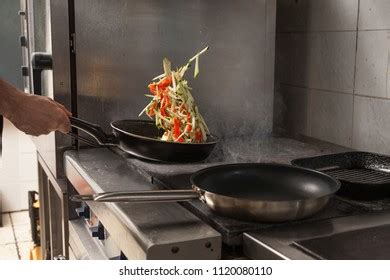
Toss your veggies with just enough oil to lightly coat them – they should gleam, not glisten with excess. High smoke point oils like avocado oil, grapeseed oil, or light olive oil are ideal. Extra virgin olive oil can work, but watch it carefully at higher temperatures.
5. Cut Veggies Evenly
Uniformly sized pieces will cook at the same rate, preventing some pieces from becoming mushy while others are still raw. This also ensures consistent browning.
6. Don’t Forget to Stir or Flip
Halfway through the cooking time, give your vegetables a good stir or flip them with a spatula. This ensures all sides get exposed to the direct heat of the pan and the oven’s hot air, promoting even browning.
7. Consider Using Parchment Paper or a Metal Pan
Parchment paper can prevent sticking and make cleanup easier. However, a dark metal baking sheet often provides superior browning. Avoid glass dishes for roasting, as they tend to steam more and don’t conduct heat as efficiently for crisping.
8. A Touch of Starch (Optional)
For particularly watery vegetables, a light dusting of cornstarch or arrowroot powder after oiling can help absorb excess moisture and enhance crispiness. Use sparingly!
Conclusion
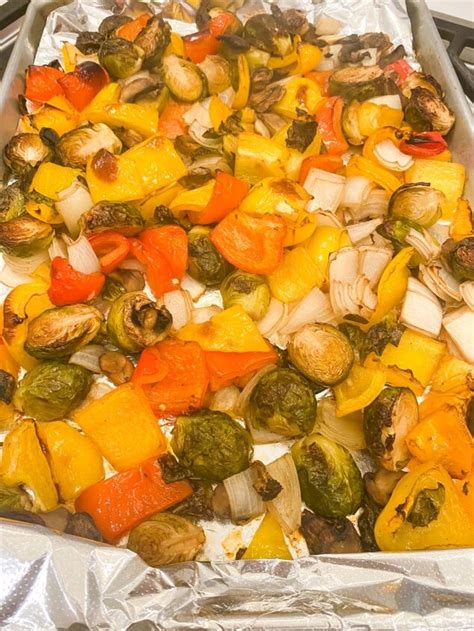
Achieving perfectly crispy roasted vegetables is entirely within your reach. By understanding the common pitfalls and implementing these simple yet effective techniques—proper spacing, thorough drying, high heat, the right amount of oil, and even cuts—you’ll transform your sad, soggy sides into vibrant, flavorful stars. Experiment with different vegetables and seasonings, and enjoy the satisfying crunch that truly elevates your meals!