Why do my vibrant recipe ingredients often lose their color during cooking?

The Frustration of Fading Colors: Unpacking the Science
It’s a common kitchen conundrum: you start with a rainbow of fresh vegetables or fruits, full of promise and vibrant hues, only to find them dull and muted after cooking. This isn’t just about aesthetics; color is often linked to freshness, nutritional value, and overall appeal. The good news is that this color loss isn’t just random – it’s a fascinating interplay of chemistry, heat, and other factors. By understanding these processes, you can take control and keep your dishes looking as good as they taste.
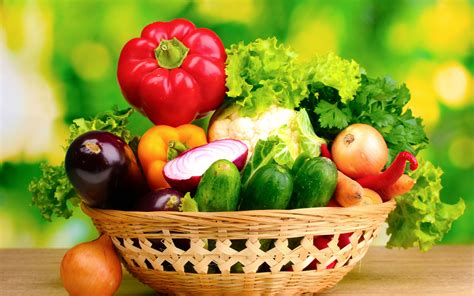
At the heart of ingredient color are various pigments, each reacting differently to the cooking environment. Green vegetables owe their hue to chlorophyll, while reds and purples often come from anthocyanins or betalains. Oranges and yellows are typically due to carotenoids. Each of these chemical compounds has its own vulnerabilities and strengths when exposed to heat, acids, bases, and oxygen.

Heat: The Primary Culprit
Undoubtedly, heat is the most significant factor in color degradation. When green vegetables like broccoli or spinach are cooked, the heat breaks down the chlorophyll pigment. If subjected to prolonged heat, especially in the presence of acids (which are often naturally present in vegetables or released during cooking), chlorophyll transforms into pheophytin, which is responsible for that unappetizing olive-green or grayish-brown color. This is why overcooked green beans look dull and sad.
While carotenoids (found in carrots, bell peppers, tomatoes) are relatively heat-stable, intense heat can still degrade them over time. Anthocyanins (found in berries, red cabbage, eggplant) are more delicate; while heat can soften their cell walls and release their color, prolonged high heat can also lead to browning or dullness, especially if the pH isn’t optimal.

The pH Factor: Acids, Bases, and Pigment Transformation
The acidity or alkalinity (pH) of your cooking environment plays a crucial role in how pigments react. This is particularly true for chlorophyll and anthocyanins.
- Chlorophyll (Greens): As mentioned, acids (lemon juice, vinegar, or even carbon dioxide released during cooking) turn chlorophyll into dull pheophytin. To preserve vibrant greens, a slightly alkaline environment is sometimes preferred, but too much alkali can make vegetables mushy and destroy nutrients.
- Anthocyanins (Reds, Purples, Blues): These pigments are like chameleons. In an acidic environment, they turn bright red (think lemon juice on red cabbage). In an alkaline environment, they shift towards blues or even greens (e.g., baking soda with red cabbage will turn it bluish). A neutral pH often results in purple.
Oxidation and Leaching: Other Color Thieves
Beyond heat and pH, two other processes contribute to color loss:
- Oxidation: Exposure to air can cause certain pigments to degrade. For example, some cut vegetables or fruits can brown when exposed to oxygen, a process often accelerated by enzymes.
- Leaching: Many pigments, particularly water-soluble ones like anthocyanins and betalains (found in beets), can leach out into the cooking liquid. If you boil beets in a lot of water, you’ll notice the water turning deep red, while the beets themselves become paler. This is why steaming or using minimal liquid is often recommended for such ingredients.

Strategies to Keep Your Ingredients Vibrant
Now that you know the ‘why,’ here’s the ‘how’ to combat color loss:
- Blanch and Shock: For green vegetables, quick blanching (brief immersion in boiling water) followed immediately by an ice bath stops the cooking process and preserves chlorophyll. This minimizes acid degradation and locks in bright green.
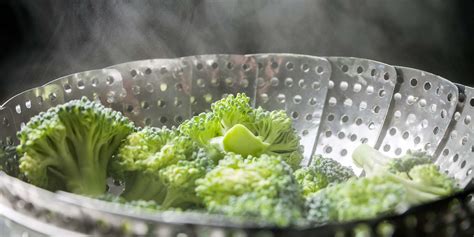
- Cook Quickly and Efficiently: Minimize cooking time. Stir-frying, steaming, or sautéing are often better than boiling for maintaining color, as they reduce exposure to heat and water.
- Control the pH:
- For greens: Add acids (like lemon juice or vinegar) only at the very end of cooking, if desired.
- For reds/purples (anthocyanins): Add a touch of acid (e.g., a splash of vinegar) early in the cooking process to enhance red hues.
- Minimize Water: Use as little water as possible when cooking, or opt for steaming, especially for water-soluble pigments like those in beets or red cabbage.
- Cover and Cook: Covering your pot can help trap steam and cook vegetables more quickly and evenly, reducing overall heat exposure.
Conclusion: Cook Smart, Eat Colorful
Preserving the natural beauty of your ingredients is an achievable goal, not just a culinary pipe dream. By understanding the basic chemistry behind color loss – the effects of heat, pH, oxidation, and leaching – you can adapt your cooking methods and ensure your dishes remain visually stunning and appetizing. With a few smart techniques, you can enjoy food that’s not only delicious but also a feast for the eyes.