
Why does my recipe lack visual pop? Tips for vibrant plating and color?

The Art of Eating with Your Eyes
It’s a common culinary frustration: you’ve followed a recipe to the letter, the flavors are perfect, but the finished dish just doesn’t look as appetizing as you’d hoped. Many home cooks overlook the critical role of visual appeal in cooking. We eat first with our eyes, and a dish that lacks vibrant color or thoughtful presentation can seem less appealing, even if it tastes incredible. Elevating your plating isn’t just for fancy restaurants; it’s a skill anyone can develop to make everyday meals more enjoyable and impressive.
Understanding what makes a dish visually appealing goes beyond just adding a sprinkle of parsley. It involves a conscious effort to think about color, texture, arrangement, and contrast. Let’s delve into the principles that can transform your cooking from merely delicious to truly dazzling.
![Colorful Wallpaper 011 - [2960x1850]](/images/aHR0cHM6Ly90czMubW0uYmluZy5uZXQvdGg/aWQ9T0lQLkJ3R0RhV2lVYzVIbHEtRDVhVXFLX0FIYUVvJnBpZD0xNS4x.webp)
Harnessing the Power of Color
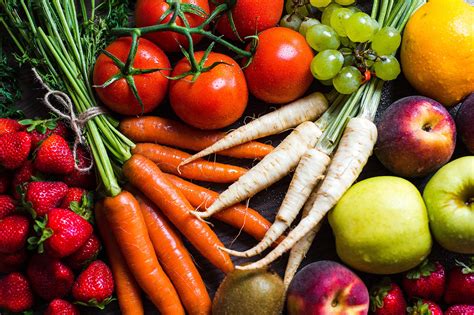
Color is arguably the most impactful element in food presentation. A plate dominated by a single, muted color can look monotonous, while a dish with a thoughtful mix of hues instantly grabs attention. Think about the natural colors of your ingredients and how they complement or contrast each other. Are you building a monochromatic dish that needs a punch of color, or do you have a natural rainbow of ingredients?
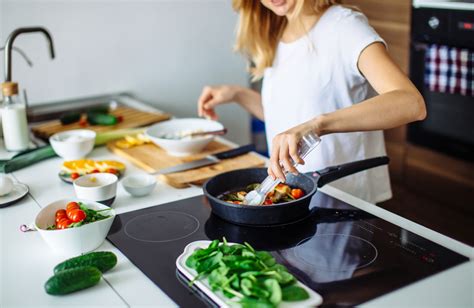
- Introduce Bright Vegetables: Red bell peppers, green spinach, purple cabbage, orange carrots, yellow corn – these are simple ways to add a spectrum of colors. Don’t just cook them until they’re soft and dull; aim for crisp-tender to retain their vibrancy.
- Utilize Herbs: Fresh herbs like cilantro, parsley, basil, and chives are not just for flavor; their bright green hues are excellent for adding a pop of color.
- Embrace Citrus: A squeeze of lemon or lime isn’t just for taste; a thin slice or zest can add a vibrant yellow or green accent.
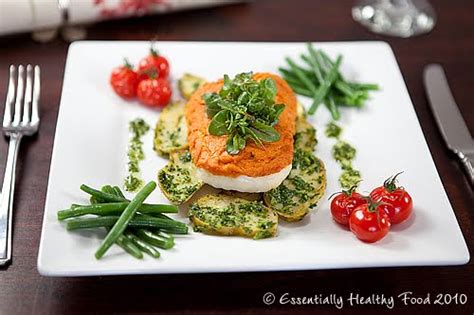
- Consider Sauces and Drizzles: A vibrant pesto, a bright red tomato sauce, or a contrasting white yogurt drizzle can act as a canvas or a focal point.
Plating for Visual Impact
Once you have your colorful components, the next step is how you arrange them on the plate. Plating is about creating balance, focus, and a sense of intention. Avoid simply dumping food onto the plate; instead, think of the plate as your canvas.
Think About Architecture and Height
Flat food is less interesting than food with varying heights and dimensions. Stack components slightly, lean them against each other, or use a mold to create shape. For instance, instead of a flat scoop of rice, pack it into a small bowl and invert it onto the plate for a neat dome.

The Rule of Odds
When arranging small items (like shrimp, scallops, or cherry tomatoes), grouping them in odd numbers (three, five, seven) often looks more natural and aesthetically pleasing than even numbers.
Negative Space is Your Friend
Don’t overcrowd the plate. Leaving some white space around your food allows each component to stand out and creates a more elegant, professional look. This also helps focus the diner’s attention on the main elements of the dish.
Garnish Like a Pro
Garnishes are the final touch, the ‘jewelry’ of your dish. They shouldn’t just be an afterthought; a well-chosen garnish enhances both flavor and visual appeal.
- Fresh Herbs: A sprig of rosemary, a few basil leaves, or chopped chives can instantly brighten a dish.
- Citrus Zest or Wedges: Adds color and a burst of freshness.
- Toasted Nuts or Seeds: Offers textural contrast and a subtle color difference (e.g., sesame seeds on an Asian dish, toasted almonds on a salad).
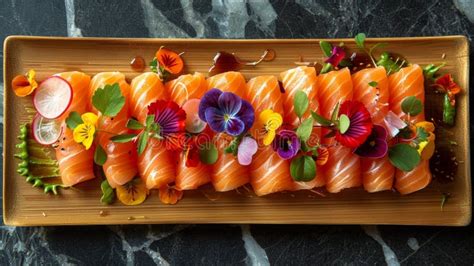
- Edible Flowers: For a truly elegant touch, edible flowers like pansies or nasturtiums can add delicate color and sophistication.
- Drizzles and Swirls: A swirl of balsamic glaze, a dotting of sriracha mayo, or a drizzle of good olive oil can add visual interest and flavor.
Practical Tips for Everyday Cooking
You don’t need to be a Michelin-star chef to implement these techniques. Start small and gradually incorporate them into your routine.
- Keep a Fresh Herb Supply: A small pot of parsley or basil on your windowsill can be a game-changer.
- Invest in a Good Vegetable Peeler and Zester: These tools make quick work of adding colorful zest or ribbons.
- Use White or Neutral Plates: They allow the colors of your food to truly pop without competing.
- Clean Your Edges: Before serving, quickly wipe the rim of the plate with a clean cloth or paper towel to remove any drips or smudges.
- Take a Photo: This is a great way to critically assess your plating and identify areas for improvement.

Bringing It All Together
Creating visual pop in your recipes is an ongoing journey of experimentation and creativity. By consciously thinking about color, composition, and garnishing, you can transform ordinary meals into extraordinary experiences. Remember, the goal isn’t just to make food look good, but to enhance the entire dining experience, making every bite feel more special and intentional. So, next time you cook, challenge yourself to add that extra dash of visual flair – your eyes (and your guests) will thank you!