
Why don’t my recipes look like the amazing photos? Visual plating solutions!
The Frustration of the Un-Photogenic Meal
You’ve followed a recipe to the letter, the aromas are incredible, and the taste is divine. Yet, when you look at your beautifully cooked meal, it bears little resemblance to the pristine, mouth-watering image that inspired you. This is a common culinary conundrum, and you’re not alone. Professional food photography uses an array of tricks and techniques that go far beyond just cooking. But fear not! You can elevate your home-cooked dishes with a few simple plating solutions.
Mastering the Fundamentals of Food Plating
Professional food stylists don’t just dump food on a plate; they compose it. Understanding a few basic principles can dramatically change your dish’s visual appeal.
Utilize Color and Contrast
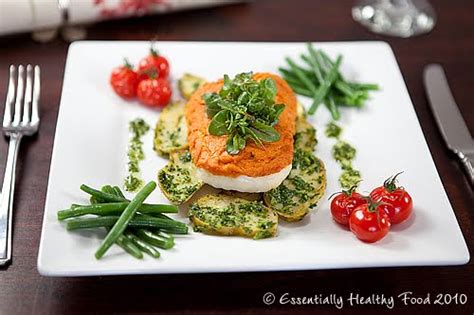
Think about the colors on your plate. A monochrome dish can look bland, no matter how delicious. Introduce contrasting colors through garnishes like fresh herbs (bright green), a sprinkle of paprika (red), a lemon wedge (yellow), or a drizzle of a vibrant sauce. Aim for a palette that is both appealing and balanced.
Embrace Texture and Dimension
Flat food is boring. Add visual interest by incorporating different textures. Think crispy elements, smooth purees, chunky vegetables, or delicate leaves. Stacking ingredients, even slightly, can create height and dimension, making the dish feel more substantial and inviting.
Achieve Balance and Composition
Instead of spreading food evenly, try creating a focal point. The rule of thirds, often used in photography, can apply here: imagine dividing your plate into a 3×3 grid and placing key elements along the lines or at their intersections. Arranging components in odd numbers (e.g., three pieces of protein) often looks more aesthetically pleasing than even numbers.
Practical Techniques for Stunning Presentation
Once you grasp the fundamentals, these practical steps will help you execute your vision.
Choose the Right Plate
The plate is your canvas. White plates tend to make food pop, but dark plates can also create dramatic contrast. Consider the size and shape – too large, and the food looks sparse; too small, and it looks overcrowded. Often, a clean, simple plate allows the food to be the star.
The Power of Sauces and Garnishes
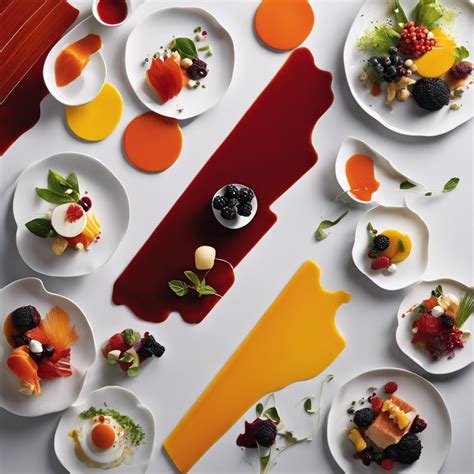
Sauces aren’t just for flavor; they’re for art. A neat drizzle, a few deliberate dots, or a swipe of sauce across the plate can add elegance. Garnishes like finely chopped herbs, toasted nuts, a grating of cheese, or edible flowers can provide that finishing touch, adding freshness and visual appeal.
Portion Control and Precision
Resist the urge to overload the plate. Smaller, well-arranged portions often look more elegant and appetizing than a sprawling mound of food. Use tools like ring molds, spoons, or even your hands (wearing gloves, of course) to precisely place components.

Plating Ideas for Everyday Dishes
Let’s apply these ideas to common meals.
Soups and Stews
Instead of a plain bowl, add a swirl of cream or pesto, a sprinkle of fresh herbs, or a few croutons/crispy fried onions right before serving. A single, visually appealing garnish can transform a humble soup.
Pasta Dishes
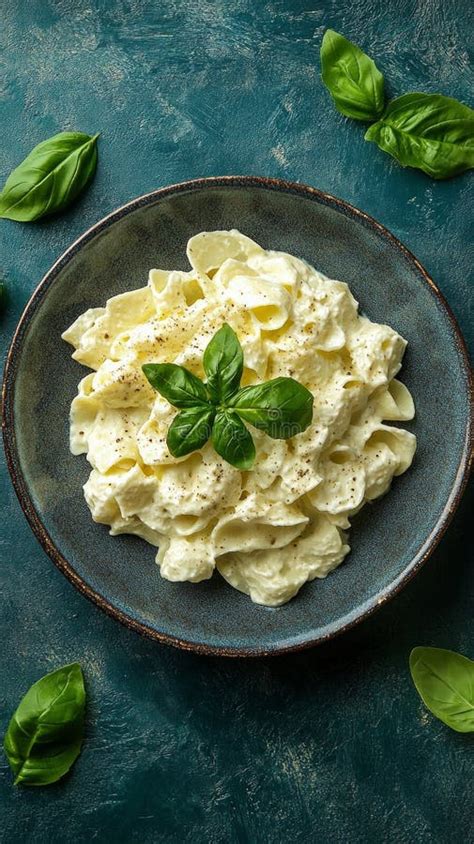
For long pasta, use tongs to twirl it into a neat, elevated mound in the center of the plate. Top with a sprinkle of grated cheese, a few basil leaves, or a dollop of fresh ricotta. Short pasta can be piled neatly with its sauce.
Proteins and Sides
Place your protein (meat, fish, plant-based alternative) as the focal point. Arrange accompanying vegetables or starches (like rice or mashed potatoes) purposefully beside or slightly underneath, building height if possible. A neat stack of asparagus or a carefully piped mound of potatoes looks much better than a scattered heap.
Beyond the Plate: Setting the Scene
While the food itself is paramount, the surrounding environment also plays a role in how “amazing” a dish looks.
Lighting: Natural, diffused light is almost always the best. Avoid harsh overhead lights that create unflattering shadows.
Background: A simple, uncluttered background allows your food to stand out. A rustic wooden table, a clean tablecloth, or even a simple neutral wall can work wonders.
Props: Judiciously chosen props like a linen napkin, elegant cutlery, or a small sprig of flowers can enhance the scene, but make sure they don’t overshadow the food.
Conclusion: Plate with Confidence and Creativity
Transforming your dishes from home-style comfort to photo-ready masterpieces is an achievable goal. It’s not about becoming a professional food stylist overnight, but about understanding and applying a few key visual principles. Start small, experiment with different plates, garnishes, and arrangements. With a little practice and creativity, you’ll be plating dishes that not only taste incredible but look incredible too, making every meal an experience to savor with your eyes first.