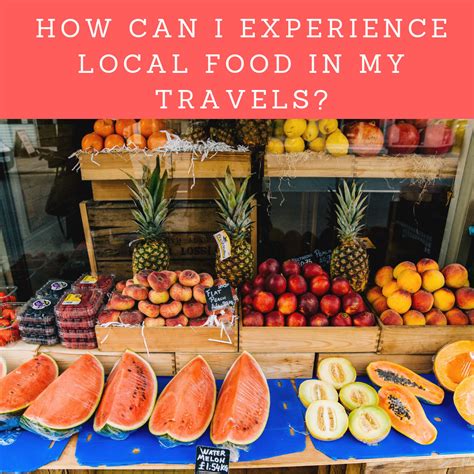
Your best visual trick for capturing authentic street food vibes without looking touristy?

Beyond the Plate: Capturing the Soul of Street Food
Street food is more than just sustenance; it’s a vibrant tapestry of culture, tradition, and community. For many of us, documenting these culinary adventures is a must, but the challenge lies in capturing the genuine ‘vibe’ without falling into the trap of overly posed or overtly touristy snapshots. So, what’s the best visual trick to ensure your photos tell an authentic story?
The secret lies in shifting your focus from the final product to the underlying narrative. Instead of just photographing the perfectly plated dish, aim to capture the *process*, the *people*, and the *energy* that brings that food to life. This means looking beyond the immediate subject and tuning into the surrounding environment and interactions.
The Art of Blending In and Observing
Before you even raise your camera, take a moment to simply observe. Blend into the background, watch how locals interact with the vendor, how the food is prepared, and how it’s consumed. This initial observation phase allows you to understand the natural rhythm and flow of the street food scene, helping you identify genuine moments worth capturing. Don’t be the person who immediately shoves a camera in someone’s face; instead, become a temporary part of the scene.
From Ingredients to Interaction: The Process is the Picture
Your best visual trick is to prioritize the *process* over the *product*. Instead of a static shot of a finished bowl, focus on the hands chopping vegetables with lightning speed, the steam rising from a sizzling wok, the vendor’s focused expression as they assemble a dish, or the intricate layering of ingredients. These are the details that convey authenticity and tell a richer story. Capture the raw ingredients, the cooking techniques, and the tools of the trade.
Look for dynamic shots that show movement and engagement. A close-up of skilled hands kneading dough, the flick of a wrist expertly flipping noodles, or the precision of a chef garnishing a dish all add depth and character to your photographs, making them feel less like a catalogue shot and more like a captured moment in time.
Candid Moments and Local Life
Extend your lens beyond the food itself to include the people enjoying it. Candid shots of locals laughing, sharing a meal, or simply engrossed in their food convey a powerful sense of place and culture. These are the moments that truly capture the ‘vibe’ – the community, the joy, and the shared experience that street food embodies. Be respectful, of course, and avoid being intrusive, but learn to anticipate and subtly capture these fleeting human connections.
A wider shot that includes the bustling market, the vibrant colors of the stalls, and the general atmosphere can also ground your food photos in their authentic setting. Consider different perspectives – shooting from slightly above to capture the layout, or from a lower angle to emphasize the towering stacks of ingredients or the intricate architecture of a food stall.

Perspective Shifts: Beyond Eye-Level
Don’t limit yourself to eye-level shots. Experiment with different angles. Get a low-angle shot to emphasize the height of a towering food cart or the intensity of a flame. Shoot from slightly above to showcase the beautiful arrangement of a dish or the intricate textures of ingredients. Look for reflections, shadows, and the interplay of light and steam to add an artistic touch that goes beyond a mere documentary photograph.

Patience and Respect: The Secret Ingredients
Ultimately, the best visual trick is patience combined with respect. Don’t rush your shots. Wait for the perfect moment – the steam rising just right, the vendor’s genuine smile, or the natural interaction between customers. If you want to photograph a vendor directly, a simple smile and a nod, or even asking permission (if language allows), can go a long way in building rapport and capturing a more genuine, warm image. Show appreciation for their craft and their hospitality, and it will often be reflected in your photographs.
By focusing on the narrative, human element, and the authentic processes behind street food, you’ll move beyond mere documentation and instead create captivating images that truly convey the heart and soul of these incredible culinary experiences, without ever looking like just another tourist.