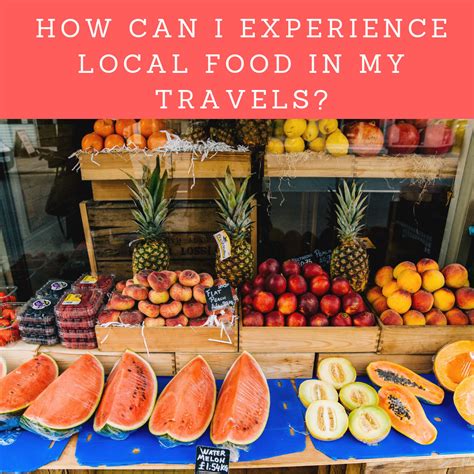





How do real foodies visually find & capture authentic local eats?

The Visual Quest for Authenticity
For the true foodie, travel is a multisensory journey, but sight often leads the way in the hunt for authentic local eats. It’s not about following guidebooks or online ratings alone; it’s about developing a keen eye for the unspoken signs that hint at genuine culinary treasures. Real foodies don’t just look for food; they look for stories, culture, and the heartbeat of a community reflected in its dishes.
This visual expedition begins long before the first bite, involving a blend of intuition, cultural awareness, and observation skills that differentiate a tourist trap from a local gem. Mastering this art means not only finding incredible food but also capturing its spirit in a way that truly tells its story.
Deciphering Visual Cues on the Streets
The first step in a visual foodie’s journey is observation. They scan bustling markets, quiet side streets, and humble storefronts, searching for visual cues that scream ‘local’ rather than ‘tourist.’ Look for establishments packed with locals during off-peak hours, a clear sign of consistent quality. The absence of English menus or overt tourist marketing can often be a good indicator, suggesting they cater primarily to the community.
Another telling sign is specialization. A vendor or restaurant focusing on just a few dishes, perfected over generations, often signals a deep commitment to quality and tradition. Watch for open kitchens or food preparation areas where you can see the fresh ingredients and meticulous cooking processes at play.
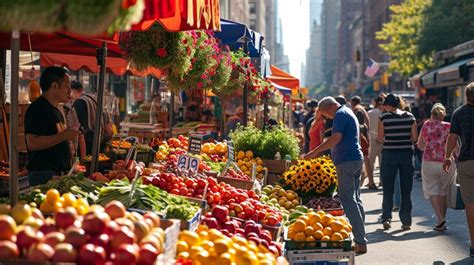
What Authenticity Looks Like
Authenticity often manifests in visual simplicity and a focus on the food itself rather than elaborate decor. Peeling paint, mismatched chairs, or a handwritten menu can paradoxically be signs of a well-loved, established spot where the emphasis is solely on flavor. Observe the ingredients – are they fresh, vibrant, and locally sourced? Are they displayed with pride?
The patrons themselves offer invaluable visual information. Are families gathered? Are elderly locals enjoying their regular meal? These are strong indicators of a place that has earned the trust and loyalty of the community. Even the type of utensils, the way food is served, or the particular condiments on tables can offer visual clues to the establishment’s adherence to local customs.

Capturing the Culinary Moment
Once found, capturing these authentic eats visually is an art in itself. Real foodies aim to tell a story, not just take a picture of a plate. They prioritize natural light, often positioning dishes near windows or outdoors to highlight their textures and colors truthfully. The angle is crucial – sometimes an overhead shot captures the full spread, while a close-up can emphasize intricate details or steam rising from a hot dish.
Beyond the food itself, capturing the context is vital. This might mean including a glimpse of the chef, the bustling kitchen, the unique serving ware, or the ambiance of the dining space. These elements add depth and narrative to the visual capture, transporting the viewer to that specific culinary moment.

Ethical and Respectful Visual Storytelling
Capturing authentic local eats also comes with a responsibility to do so respectfully. This means being discreet with your camera, especially in smaller, more intimate settings. Always ask permission before photographing people, and be mindful of cultural sensitivities. Some cultures may view overt photography as intrusive or even disrespectful.
The goal is to be an observer, not a disruptor. Capture the genuine atmosphere without altering it. If possible, engage with the vendor or chef, learning about their food and process. This interaction can enrich your understanding and ultimately lead to more meaningful visual captures. Remember that the act of eating and sharing food is often a sacred communal experience.

The Enduring Taste of Discovery
The visual quest for authentic local eats is a continuous journey of discovery, patience, and appreciation. It sharpens your senses and deepens your connection to the places you visit. By honing your visual instincts and practicing mindful photography, you not only find extraordinary food but also contribute to a richer, more respectful narrative of global culinary culture. Every visually identified gem and carefully captured image becomes a testament to the enduring power of food to connect us across cultures and continents.