



How to make healthy, home-cooked meals visually irresistible for real foodies?

For the true foodie, eating is a multi-sensory experience. While taste, aroma, and texture are paramount, the visual appeal of a dish often sets the stage, enticing the appetite even before the first bite. Healthy, home-cooked meals, often associated with simplicity, can sometimes lack the ‘wow’ factor that makes restaurant dishes so captivating. But fear not! With a few deliberate techniques, you can elevate your nutritious creations into visually irresistible masterpieces that will impress any real food enthusiast.
The Power of Color: Eating the Rainbow
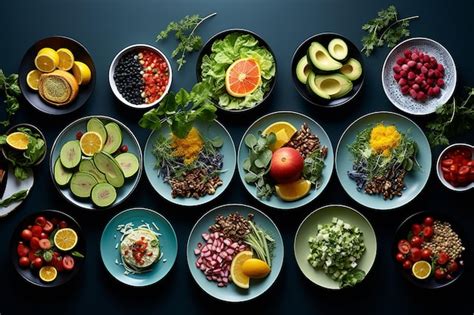
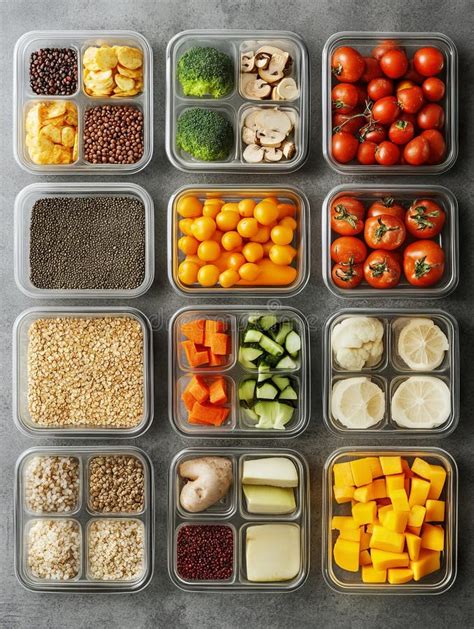
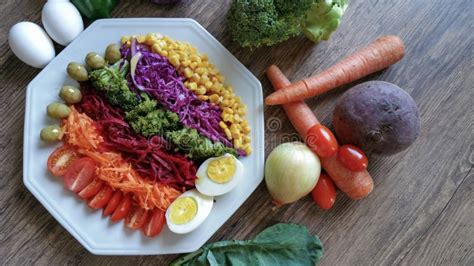
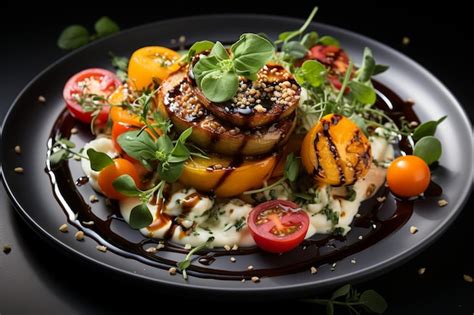
Nature offers an incredible palette of colors, and incorporating a vibrant array into your meals is one of the easiest ways to boost visual appeal. Think beyond just green vegetables. Red bell peppers, purple cabbage, orange carrots, golden turmeric, and bright green herbs can transform a monochromatic plate into a lively canvas. Aim for at least three distinct colors on your plate to create contrast and visual interest. Remember, natural colors often signify a diversity of nutrients, making your healthy meal even more appealing.
The Art of Plating: Presentation is Key
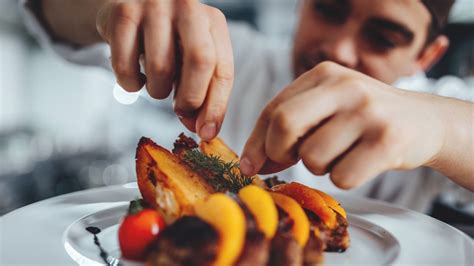
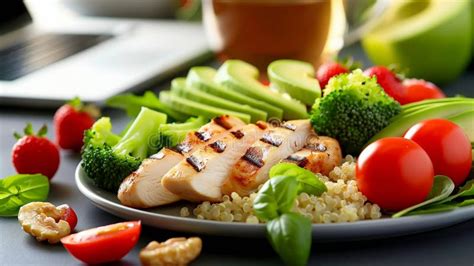
Plating is where your culinary artistry truly shines. Instead of haphazardly dumping ingredients, think of your plate as a canvas. Start with a clean, unblemished plate. Consider the “rule of thirds” or arranging elements in odd numbers (e.g., three asparagus spears instead of two). Create height and dimension by stacking components, such as placing a protein atop a bed of grains or vegetables. Use negative space wisely; a little empty plate space can make your dish look more refined and less cluttered.
Think about the flow and balance. Place your main protein as the focal point, then arrange sides to complement it without overwhelming the center. A simple circular arrangement or a line can be very effective. A drizzle of sauce or a sprinkle of garnish can define boundaries and add structure.
Garnish Like a Pro: The Finishing Flourish
Garnishes are not just for show; they add a final layer of flavor and texture while significantly enhancing visual appeal. Fresh herbs like parsley, cilantro, dill, or chives, finely chopped or as delicate sprigs, provide a burst of color and freshness. A sprinkle of toasted seeds (sesame, pumpkin), chopped nuts, or a drizzle of high-quality olive oil or balsamic glaze can add shine, texture, and an inviting sheen. Even a simple wedge of lemon or lime can make a dish pop.
Consider the color and texture of your garnish in relation to the main dish. A light-colored sauce might benefit from a dark herb, while a rich, dark stew could be brightened by a dollop of yogurt or a sprinkle of vibrant microgreens.
Texture Talk: Adding Depth and Interest
A visually interesting dish isn’t just about color; it’s also about varying textures. A plate full of soft foods can look monotonous. Introduce contrasting textures: crispy roasted vegetables alongside creamy hummus, crunchy croutons on a smooth soup, or a sprinkle of toasted nuts on a soft salad. The interplay of different textures not only makes eating more enjoyable but also adds visual complexity, hinting at the delightful experience to come.
Lighting Your Culinary Masterpiece (Especially for Sharing!)
While not strictly about cooking, good lighting is crucial if you plan to photograph your beautiful creations (and who doesn’t want to share a stunning meal with fellow foodies?). Natural, diffused light is always best. Avoid harsh overhead lights, which can create unflattering shadows. Position your dish near a window, using a white board or reflector on the opposite side to bounce light and fill in shadows. A well-lit dish will showcase its colors, textures, and plating details much more effectively, making it truly irresistible in photos.
Putting It All Together for Irresistible Meals
Making healthy home-cooked meals visually irresistible is a skill that develops with practice. Start by focusing on one or two elements at a time – perhaps adding more color, or being more intentional with your plating. Remember to taste as you go, ensuring the flavor lives up to the presentation. With these tips, you’re well on your way to transforming everyday meals into extraordinary culinary experiences that will delight the eyes and palates of even the most discerning real foodies.