




Visual tips for keeping market produce fresh, vibrant & waste-free?

There’s nothing quite like the vibrant colours and fresh aromas of produce straight from the farmers market. However, maintaining that peak freshness once it arrives in your kitchen can be a challenge, often leading to wilted greens, bruised fruits, and ultimately, food waste. But what if you could visually master the art of produce preservation? This guide offers actionable tips to keep your market treasures fresh, vibrant, and ensure every delicious bite is savoured.
Know Your Produce’s Preferred Environment
Not all produce is created equal when it comes to storage. Understanding where each item thrives is the first step to preventing premature spoilage. Some prefer the cool embrace of the refrigerator, while others wilt under the chill, opting for room temperature or a cool, dark pantry instead.
Refrigeration Essentials
Most leafy greens, cruciferous vegetables (broccoli, cauliflower), root vegetables (carrots, radishes), and delicate fruits (berries, grapes) belong in the fridge. Use your refrigerator’s crisper drawers – often one for high humidity (most vegetables) and one for low humidity (most fruits) – to their advantage. Keep fruits and vegetables separate, as some fruits emit ethylene gas which can prematurely ripen and spoil ethylene-sensitive vegetables.
Countertop & Pantry Stars
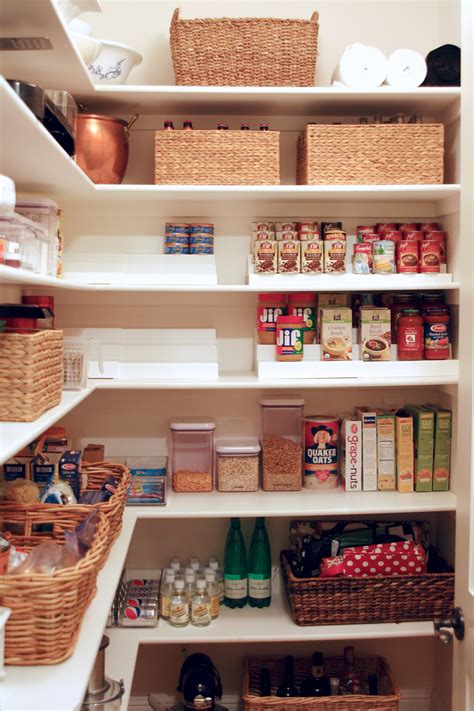
Items like tomatoes, potatoes, onions, garlic, and bananas prefer to be stored at room temperature, away from direct sunlight. Storing them in the fridge can alter their texture and flavour. Keep potatoes and onions separate, as gases from onions can cause potatoes to sprout faster. Winter squash and pumpkins are also happy in a cool, dark pantry for extended periods.
Smart Prep for Longer Life
A little preparation goes a long way in extending shelf life, but be cautious – not everything benefits from an immediate wash.
Wash Only When Ready to Use (Mostly)
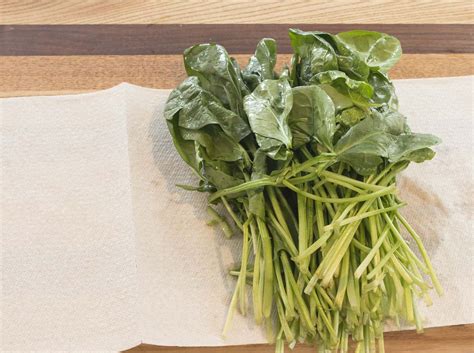
Washing produce before storing it can introduce excess moisture, which accelerates spoilage, especially for berries and mushrooms. Store them dry. Leafy greens, however, often benefit from a gentle wash, thorough drying, and then storage in an airtight container lined with paper towels to absorb any remaining moisture. Change paper towels as needed.

Trimming & Tricking
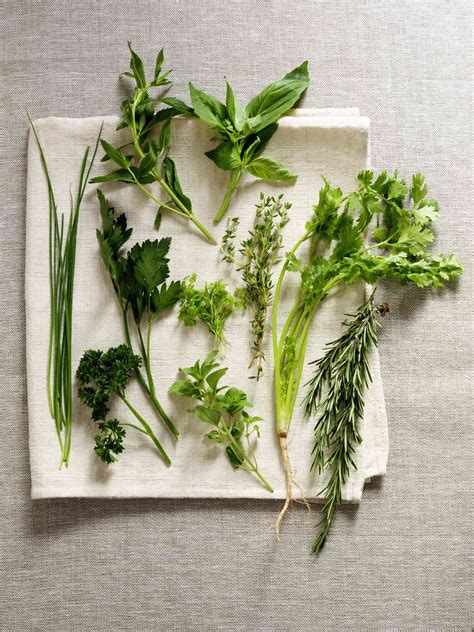
For herbs like parsley or cilantro, trim the stems and place them upright in a jar with an inch or two of water, like a bouquet of flowers. Cover loosely with a plastic bag and refrigerate. For asparagus, treat similarly. For carrots or celery, trim tops and store in an airtight container submerged in water to maintain crispness.
Creative Storage Solutions
Beyond the fridge and pantry, specific methods can dramatically improve freshness.
The Damp Cloth Method for Greens
Wrap delicate greens like lettuce, kale, or Swiss chard in a slightly damp cotton cloth or paper towel, then place them in an airtight container or a reusable produce bag. The slight moisture keeps them hydrated without making them soggy, preventing wilting for days.
Berry Bath for Longevity
Before refrigerating berries, give them a quick vinegar bath (1 part white vinegar to 3 parts water). Swish them around, rinse thoroughly, and then dry completely. This kills mould spores without leaving a vinegar taste, significantly extending their freshness. Store them in a single layer in an open container lined with paper towels.
Visual Cues & Waste Reduction
Even with the best storage, produce eventually shows signs of aging. Learning to read these visual cues can help you decide when to use, cook, or preserve.
Embrace the “Ugly” or Slightly Wilted
A slight wilt doesn’t mean spoilage. Wilted greens can often be revived with an ice bath. Bruised apples or soft tomatoes are perfect for cooking into sauces, pies, or soups. Don’t discard them just because they’re not picture-perfect.

Preserve Before It’s Too Late
If you see your produce nearing its end, don’t let it go to waste. Blanch and freeze vegetables for later use in stir-fries or casseroles. Turn overripe fruits into smoothies, jams, or fruit leathers. Vegetable scraps (peels, ends, cores) can be frozen to make flavourful vegetable broth. This proactive approach ensures nothing goes to waste.

Mastering produce storage is an art that pays dividends in freshness, flavour, and reduced food waste. By understanding your produce’s needs, implementing smart preparation techniques, and being proactive with preservation, you can enjoy the bounty of your market trips for much longer. Happy eating, waste-free!