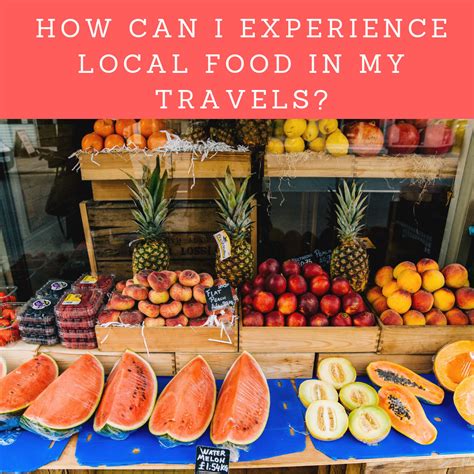





Real Foodies: How do you find & visually capture hidden local food gems?

For the uninitiated, finding a truly authentic, off-the-beaten-path culinary experience can feel like searching for a needle in a haystack. But for real foodies, it’s an exhilarating quest. These aren’t just restaurants; they’re stories, traditions, and passionate people serving up deliciousness away from the tourist traps. The thrill isn’t just in the taste, but in the discovery and the art of sharing that find visually.
The Art of the Unseen Hunt
The journey to finding a hidden local food gem often begins long before a fork touches a plate. Real foodies are detectives, armed with a blend of digital savviness and old-school intuition. They delve beyond mainstream review sites, sifting through local blogs, obscure forum discussions, and neighborhood-specific social media groups. Word-of-mouth is still king; striking up conversations with locals – from taxi drivers to shopkeepers – can unlock a treasure trove of recommendations that no algorithm could ever unearth. They might also pay attention to local newspapers or community events that highlight small businesses.
Another powerful tool is walking. Simply exploring neighborhoods on foot, especially early mornings or during lunch hours, allows foodies to stumble upon unassuming storefronts, bustling street food stalls, or tiny hole-in-the-wall eateries that exude a particular aroma or draw a consistent local crowd. These are often the first signs of something truly special.
![100+ Research Pictures [HD] | Download Free Images & Stock Photos on ...](/images/aHR0cHM6Ly90czIubW0uYmluZy5uZXQvdGg/aWQ9T0lQLjduX083enZHOEV5VVlVRl8wVl9DSUFIYUVLJnBpZD0xNS4x.webp)
Decoding Local Clues and Authenticity
Once a potential spot is identified, real foodies look for subtle clues that speak to its authenticity. A menu written only in the local language, a line of locals spilling out the door, or a modest exterior that prioritizes flavor over flash are all good indicators. The smell wafting from the kitchen, the sounds of happy chatter, and the sight of fresh, locally sourced ingredients are also powerful signals. Don’t be deterred by a lack of polished décor; often, the best food is found in the most unassuming places.
Engaging with the staff or owners, even with a language barrier, can also reveal much about a place’s history and passion. Asking about a signature dish or the story behind an ingredient can deepen the connection to the culinary experience and provide rich context for the eventual visual capture.
Mastering the Visual Narrative: Food Photography Tips
Finding the gem is only half the battle; capturing its essence visually is where the true artistry comes in. Real foodies know that compelling food photography tells a story, conveying not just what was eaten, but the atmosphere, the culture, and the emotion of the experience. Here are some key tips:
- Light is Everything: Natural light is your best friend. Position your dish near a window or outdoors, avoiding harsh direct sunlight. Overcast days provide soft, diffused light, perfect for food.
- Composition and Angles: Experiment with overhead shots (flat lays) for showcasing an array of dishes, or eye-level shots to capture the texture and height of a single dish. Use the rule of thirds to create dynamic compositions.
- Focus on Detail: Highlight the steam rising, the crispiness of a crust, or the vibrant colors of fresh ingredients. A shallow depth of field can draw attention to the most delicious part of the dish.
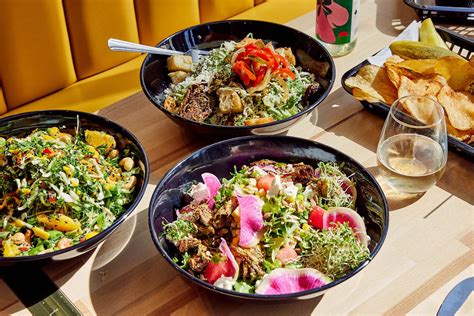
- Capture the Vibe: Don’t just photograph the food. Include elements of the surroundings – a rustic table, a bustling kitchen, local diners, or unique plating – to provide context and tell a fuller story.
- Authenticity Over Perfection: Sometimes a slightly messy plate or a candid shot of hands reaching for food feels more genuine and inviting than a perfectly staged image.

Engaging with the Experience and Sharing Responsibly
Beyond the technical aspects, visually capturing hidden gems requires an empathetic approach. Be mindful of your surroundings; respect other diners, ask permission before photographing people, and avoid being disruptive. A quick, discreet photo session is always preferred. The goal is to document, not to dominate the space.
When it comes to sharing your discoveries, consider your audience and the impact. While it’s exciting to reveal a hidden spot, remember that over-tourism can sometimes overwhelm small, local establishments. Real foodies balance the desire to share with the responsibility to preserve the authenticity of these places. A thoughtful caption that highlights the restaurant’s story, its unique flavors, and its contribution to local culture can be more impactful than just a location tag.
The Ever-Evolving Journey
The quest for hidden local food gems is a continuous, evolving journey. It’s about more than just eating; it’s about cultural immersion, supporting local businesses, and honing a keen sense of observation. By combining investigative curiosity with skilled visual storytelling, real foodies transform simple meals into memorable adventures, inspiring others to embark on their own delicious explorations.