



Optimize ‘Visual Bites’: What format boosts foodie recipe conversions most?
The Power of Visuals in Food Recipes
In the bustling digital landscape of culinary content, captivating visuals are no longer a luxury but a necessity. For foodies, the decision to try a new recipe often begins with a ‘visual bite’ – a compelling image or short video that ignites their appetite and imagination. But with an ever-growing array of visual formats, the crucial question for creators and marketers is: which one truly boosts recipe conversions?
Optimizing these visual cues is paramount for turning casual browsers into active cooks. This article delves into the most popular visual formats for food recipes, dissecting their strengths and suggesting how to leverage them for maximum impact on conversion rates.
Static Photography: The Enduring Foundation
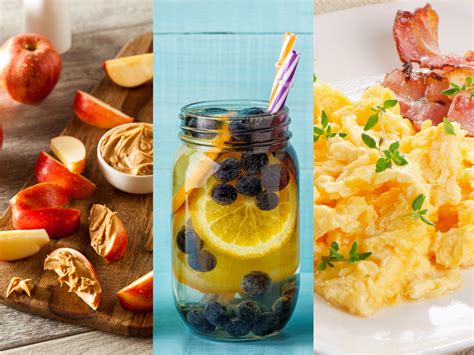
High-quality static photography remains the bedrock of food content. A beautifully composed, well-lit image of a finished dish or key ingredient can be incredibly powerful. It allows viewers to savor details, appreciate texture, and imagine the taste without the fleeting nature of video. Static images excel when showcasing the final masterpiece, emphasizing plating, or highlighting fresh, vibrant ingredients.
Best Practices: Focus on natural lighting, sharp focus on the main subject, appealing angles, and a cohesive color palette. These elements combine to create an irresistible visual promise.

Short-Form Video: Dynamic Engagement
The rise of platforms like TikTok, Instagram Reels, and YouTube Shorts has ushered in an era where short-form video reigns supreme. For recipes, this format offers unparalleled dynamism. It can demonstrate cooking techniques, illustrate the transformation of ingredients, capture satisfying sounds (like sizzling or stirring), and convey the overall experience of preparation much more effectively than still images alone.
Short videos are particularly effective for quick, easy recipes or for demonstrating a tricky step. They build anticipation and provide a more immersive preview of the cooking process, often leading to higher engagement and a stronger impulse to try the recipe.
Carousel Posts: Storytelling in Slides
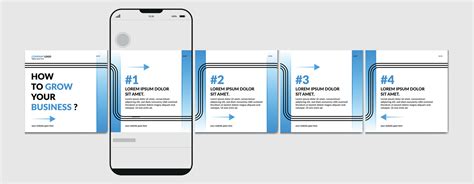
Carousel posts, predominantly found on Instagram and Pinterest, offer a unique blend of static and dynamic elements, allowing for a narrative approach to recipe sharing. This format can guide the viewer through a step-by-step process, showcase multiple angles of a dish, or even combine a series of images with a short video clip at the end.
The interactive nature of swiping through a carousel encourages deeper engagement. It’s ideal for breaking down complex recipes into manageable visual steps, presenting ingredient lists visually, or offering variations and serving suggestions within a single post, providing comprehensive information without overwhelming the viewer.
Infographics and GIFs: Quick Comprehension & Fun
Infographics: Visualizing Information
For recipes with specific nutritional information, complex ingredient lists, or multi-step processes, infographics can be incredibly effective. They present information in a visually organized and easily digestible format, making it simple for foodies to grasp key details at a glance. Think ingredient substitutions, cooking temperatures, or dietary breakdowns presented with clarity and aesthetic appeal.
GIFs: Capturing Key Moments
GIFs are perfect for highlighting a single, mouth-watering moment in a recipe – a bubbling sauce, a perfectly melted cheese pull, or the satisfying slice of a freshly baked cake. Their looping nature ensures the viewer catches the desired action repeatedly, reinforcing the appeal of the dish without the commitment of a full video.
The Conversion Angle: What Really Works?
The optimal visual format isn’t a one-size-fits-all answer; it’s a strategic choice based on several factors:
- Audience Preference: Different demographics and platforms respond to different formats. Younger audiences on TikTok might prefer fast-paced videos, while Pinterest users might favor high-quality static images and carousels.
- Recipe Complexity: Simple recipes might thrive with a single stunning photo, while intricate dishes benefit from step-by-step visuals or video tutorials.
- Platform Capabilities: Leverage the native features of each platform for maximum reach and engagement.
- Call to Action (CTA): Regardless of the format, a clear, compelling CTA (e.g., “Tap for recipe!” “Save for later!” “Link in bio!”) is essential for conversion.
Ultimately, a successful strategy involves A/B testing different formats, analyzing performance metrics, and continually refining your approach based on what resonates most with your target foodie audience.

Blending Formats for Maximum Impact
To truly optimize ‘visual bites’ for recipe conversions, consider a hybrid approach. Use a captivating static image as a thumbnail to grab attention, then lead into a carousel for step-by-step instructions, or offer a short video tutorial for a particularly tricky part. Understanding your audience, the complexity of your recipe, and the strengths of each platform will empower you to choose the most effective visual strategy, transforming fleeting interest into delicious action.