



What ingredient swaps enhance both flavor & visual appeal in recipes?
Beyond Taste: The Art of Visually Appetizing Food
Cooking is an art that engages all the senses, and while flavor is paramount, the visual appeal of a dish can significantly enhance the dining experience. A plate that looks delicious often tastes even better, thanks to our brain’s perception. Fortunately, you don’t need to be a gourmet chef to elevate both the taste and aesthetics of your meals. Simple ingredient swaps can make a world of difference, adding layers of flavor and vibrant colors that transform an ordinary dish into an extraordinary one.
1. The Power of Fresh Herbs and Citrus Zest
Swap Dried Herbs for Fresh; Incorporate Citrus Zest
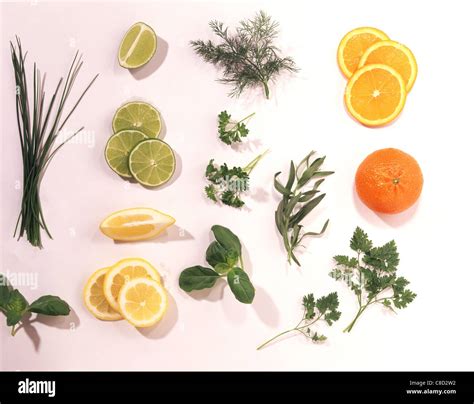
Dried herbs are convenient, but fresh herbs offer a brightness and complexity that simply can’t be matched. Swapping dried basil for fresh, for instance, adds a vibrant green hue and a more aromatic, peppery flavor to Italian dishes. Similarly, a sprinkle of fresh cilantro over tacos or a garnish of dill on salmon not only provides a burst of fresh flavor but also instantly elevates the dish’s visual freshness. Beyond herbs, citrus zest (from lemons, limes, or oranges) introduces a potent aromatic oil that brightens flavors without adding liquid. Visually, tiny flecks of colorful zest add a delicate, professional touch to everything from roasted vegetables to baked goods and desserts.
2. Elevating with Vibrant Vegetables and Fruits
Choose Colorful and Heirloom Varieties
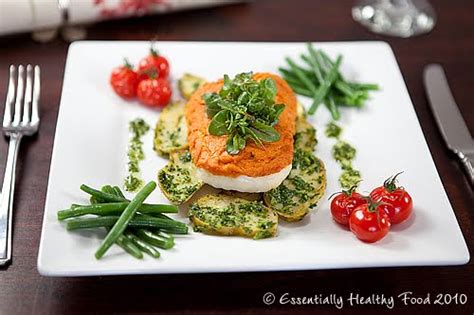
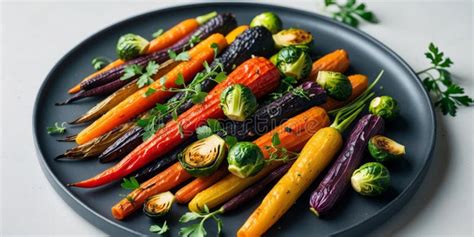
Most recipes call for standard vegetables, but opting for their more colorful counterparts can dramatically improve both flavor and visual appeal. Think about swapping regular potatoes for purple potatoes, or green beans for a medley of yellow and purple string beans. Rainbow carrots, heirloom tomatoes, and various bell pepper colors not only bring a wider spectrum of nutrients but also create a stunning visual contrast on the plate. These varieties often boast more nuanced and complex flavors too, making a simple salad or roasted vegetable dish incredibly exciting. Even swapping standard berries for a mix of raspberries, blueberries, and blackberries in a dessert adds dynamic color and a range of sweet-tart notes.
3. Richer Depths with Different Fats and Sweeteners
Browned Butter, Ghee, or Maple Syrup for Standard Options
The fats and sweeteners you choose can significantly impact a dish’s flavor profile and its final appearance. Swapping regular melted butter for browned butter, for example, introduces a nutty, toasted flavor that enriches sauces, baked goods, and even roasted vegetables. Visually, browned butter has a beautiful golden-amber color that can add warmth and sophistication. Similarly, replacing white sugar with brown sugar, maple syrup, or honey in baked goods or glazes adds caramel notes and a richer, golden-brown hue. These alternatives often create a more attractive, glossy finish on pastries, marinades, and drizzles.
4. Textural Intrigue with Grains and Legumes
Substitute White Rice with Wild Rice, Quinoa, or Farro
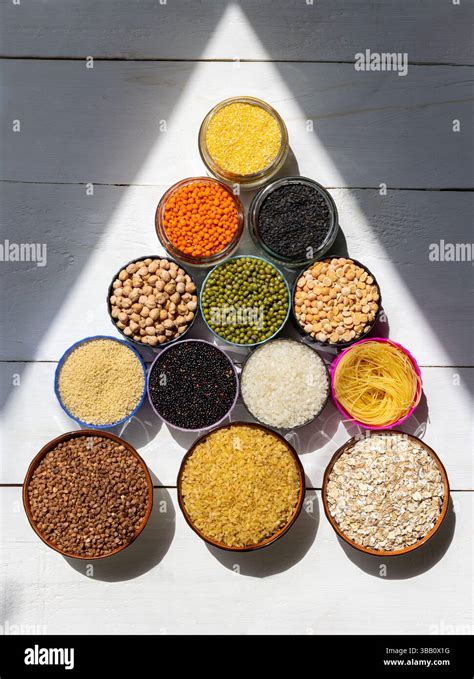
While white rice is a staple, exploring alternative grains and legumes can introduce exciting textures and colors. Wild rice, with its dark, elongated grains, offers a nutty flavor and a satisfying chew, creating a beautiful contrast when paired with lighter proteins or vegetables. Quinoa, available in white, red, and black varieties, provides a fluffy texture and a subtle earthy flavor, while also adding visual interest due to its tiny, pearl-like appearance. Farro and barley also offer robust, chewy textures. Incorporating these grains not only enhances the nutritional value but also adds a rustic, gourmet touch that makes the dish look more substantial and thoughtfully composed.
Conclusion: Experiment and Enjoy the Transformation
Enhancing both the flavor and visual appeal of your recipes doesn’t require drastic changes. By thoughtfully choosing ingredients and making simple swaps, you can unlock new dimensions of taste and create dishes that are as pleasing to the eye as they are to the palate. Don’t hesitate to experiment with these ideas, mix and match, and discover how these small changes can make a big impact on your culinary creations.